


For many years, projection was the automatic choice whenever a large image was required. Lecture theatres, teaching spaces, auditoriums, training rooms and presentation environments were typically designed around projectors because they provided a practical and cost-effective way to achieve a large display.
That hasn’t changed entirely. Projection remains an excellent solution and continues to play an important role across corporate, education and public sector environments. What has changed is the number of organisations now considering LED displays in spaces that would traditionally have specified projection from the outset.
The shift isn’t being driven by a single factor. Instead, it’s a combination of changing workplace expectations, advances in display technology, improved affordability and a desire to create spaces that deliver impactful experiences for users.
The Cost Conversation Has Changed
Historically, LED was often viewed as a premium technology reserved for flagship reception spaces, experience centres and specialist installations.
Today, improvements in manufacturing, increased market demand and ever-improving pixel pitch technology have made LED far more accessible than many organisations realise. Whilst LED can still represent a higher initial investment, the cost gap between projection and LED has narrowed considerably.
More importantly, organisations are increasingly evaluating display solutions over their full lifecycle rather than focusing solely on upfront costs. Maintenance requirements, lamp replacements, image degradation and long-term reliability all form part of the decision-making process.
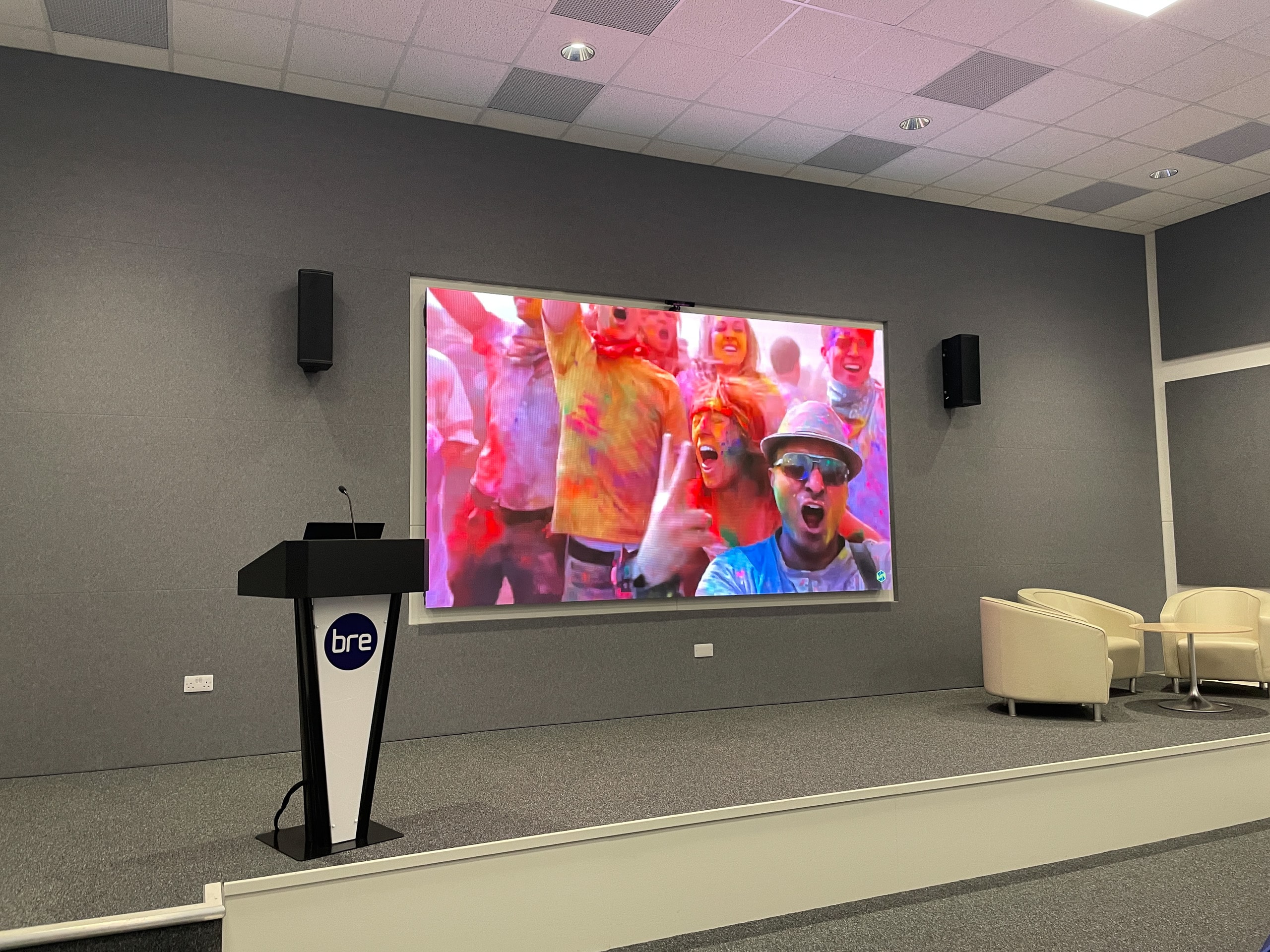
We saw this first-hand with BRE Group, who were reviewing technology within their lecture theatre environment. Several solutions were considered, including upgrading the existing projection system. Following detailed consultations and demonstrations, BRE selected a large-format LED wall which delivered the visual impact they were seeking while significantly reducing the ongoing maintenance associated with traditional projection. The result was a future-ready space designed to support training, events, webinars and hybrid engagement.
Services Provided:


Brightness Matters More Than Ever
Modern buildings look very different to those designed even ten years ago.
Workplaces are brighter, more open and increasingly designed around natural light. Educational environments are becoming more flexible, while collaborative spaces are expected to support a variety of activities throughout the day.
Whilst these environments create fantastic user experiences, they can create challenges for traditional projection systems.
LED displays remove many of those limitations. With exceptional brightness, colour performance and contrast, content remains clear and impactful regardless of lighting conditions. Presentations, teaching materials, company updates and video content remain highly visible without the need to darken the room or compromise the architectural design of the space.
As organisations continue investing in flexible, multi-purpose environments, the ability to guarantee visibility regardless of room conditions is becoming increasingly important.
Enabling Better Communication at Scale
Perhaps one of the biggest drivers behind LED adoption is the changing role of physical spaces.
Meeting rooms are no longer just meeting rooms. Teaching spaces are no longer solely used for lectures. Atriums have become social hubs, workplaces are expected to host events and presentations, and organisations increasingly require spaces that can bring large groups of people together.
Town halls, all-hands meetings, leadership presentations and employee engagement events have become commonplace across modern workplaces.
In these environments, visibility is critical.
Everyone in the room needs to see content clearly, whether they’re sitting in the front row or standing at the back of a crowded space. The larger the audience, the greater the importance of image quality, brightness and readability.
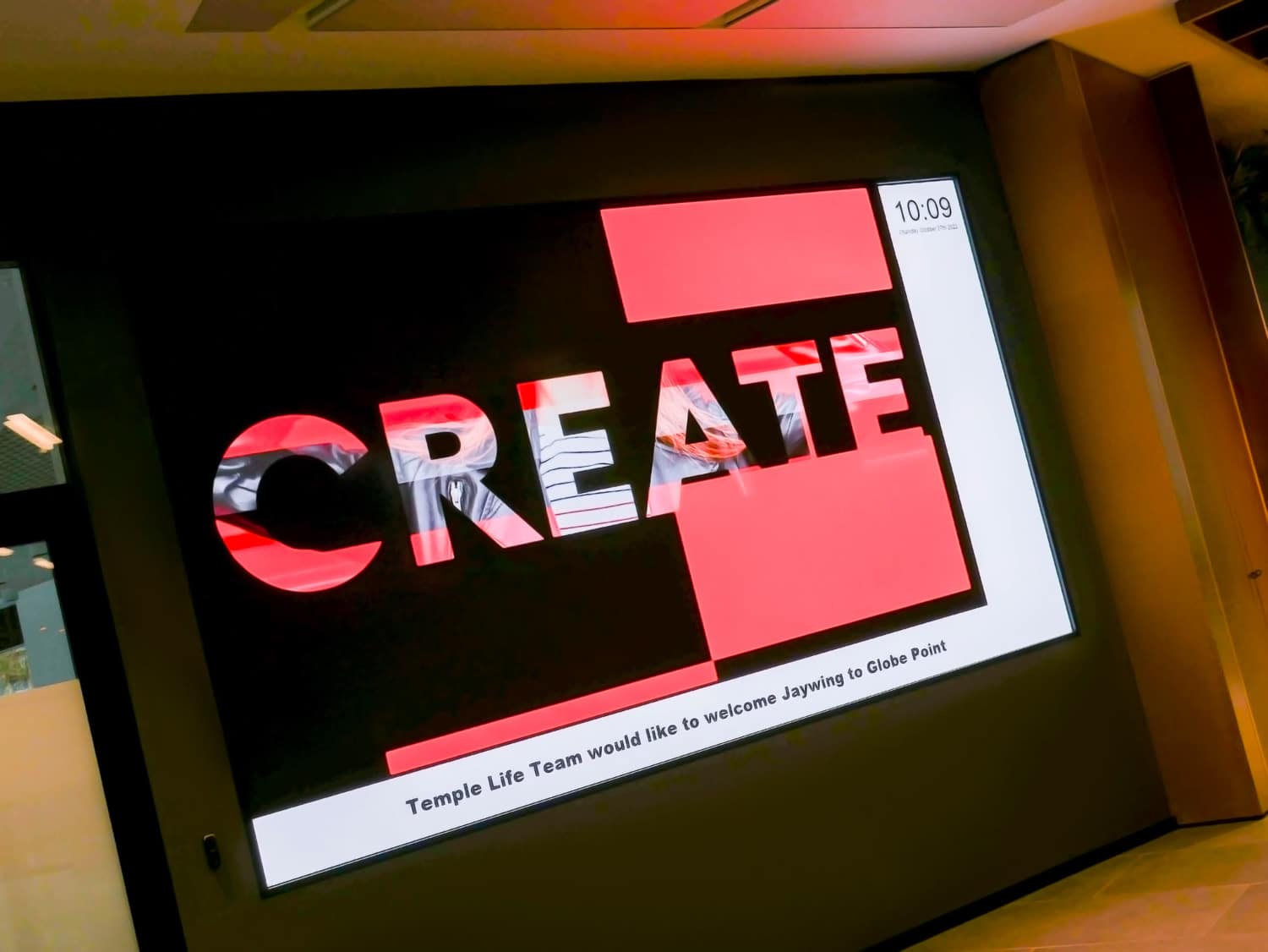
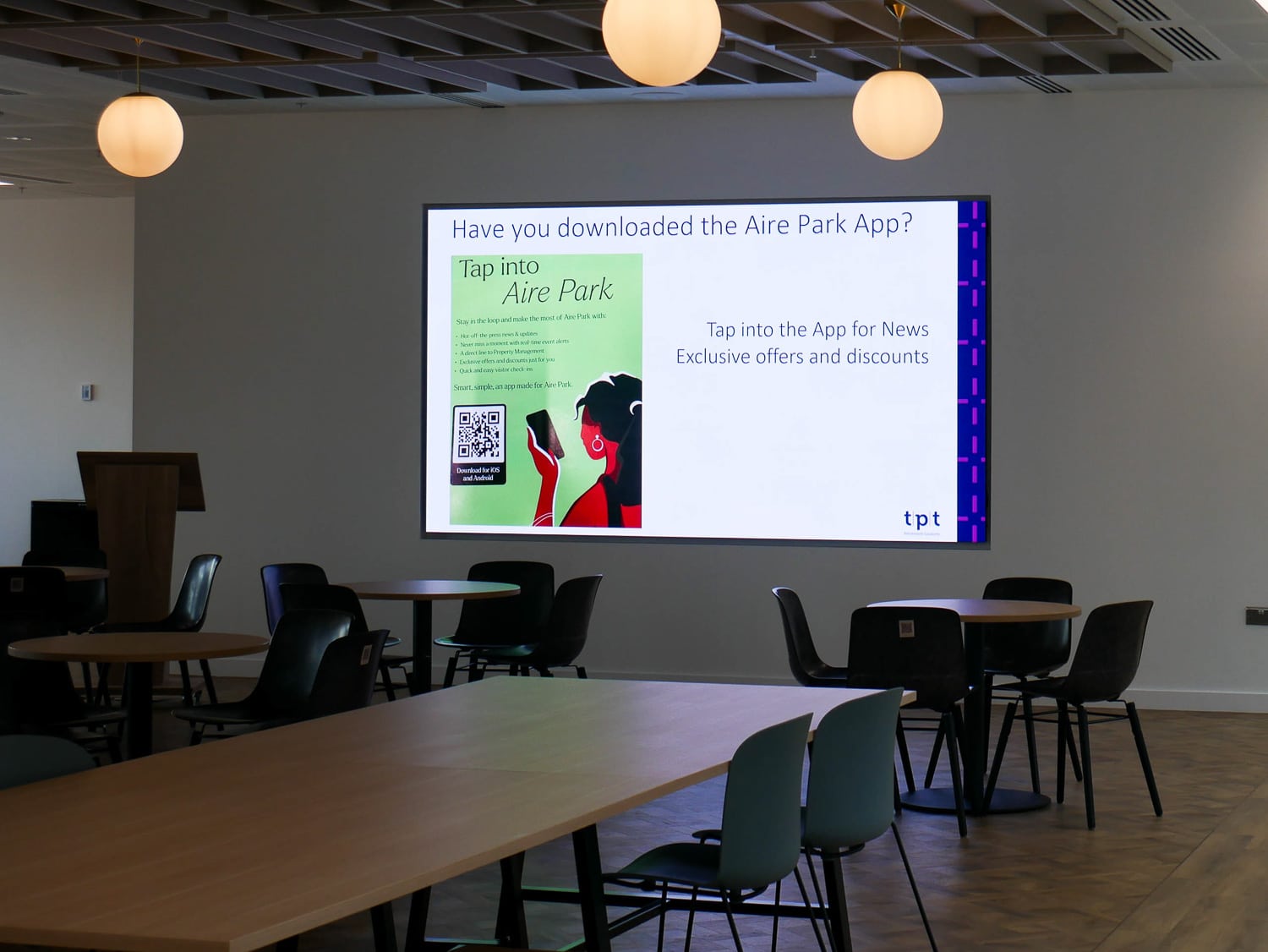
At TPT Retirement Solutions‘ new headquarters at Aire Park, the organisation wanted technology that would support collaboration, communication and employee engagement across their modern workplace environment. Projects such as this demonstrate how display technology increasingly forms part of a wider workplace strategy, supporting everything from everyday meetings through to larger presentations and company-wide communications.
For organisations investing in spaces designed to bring people together, LED is becoming an increasingly compelling option because it helps ensure every presentation, update and event has the impact intended.
Services Provided:
Supporting Modern Learning Environments
The education sector is experiencing many of the same challenges.
Universities and colleges are creating learning spaces that support hybrid teaching, collaborative learning and immersive educational experiences. Students expect engaging environments that provide a consistent experience, regardless of where they are seated within a room.
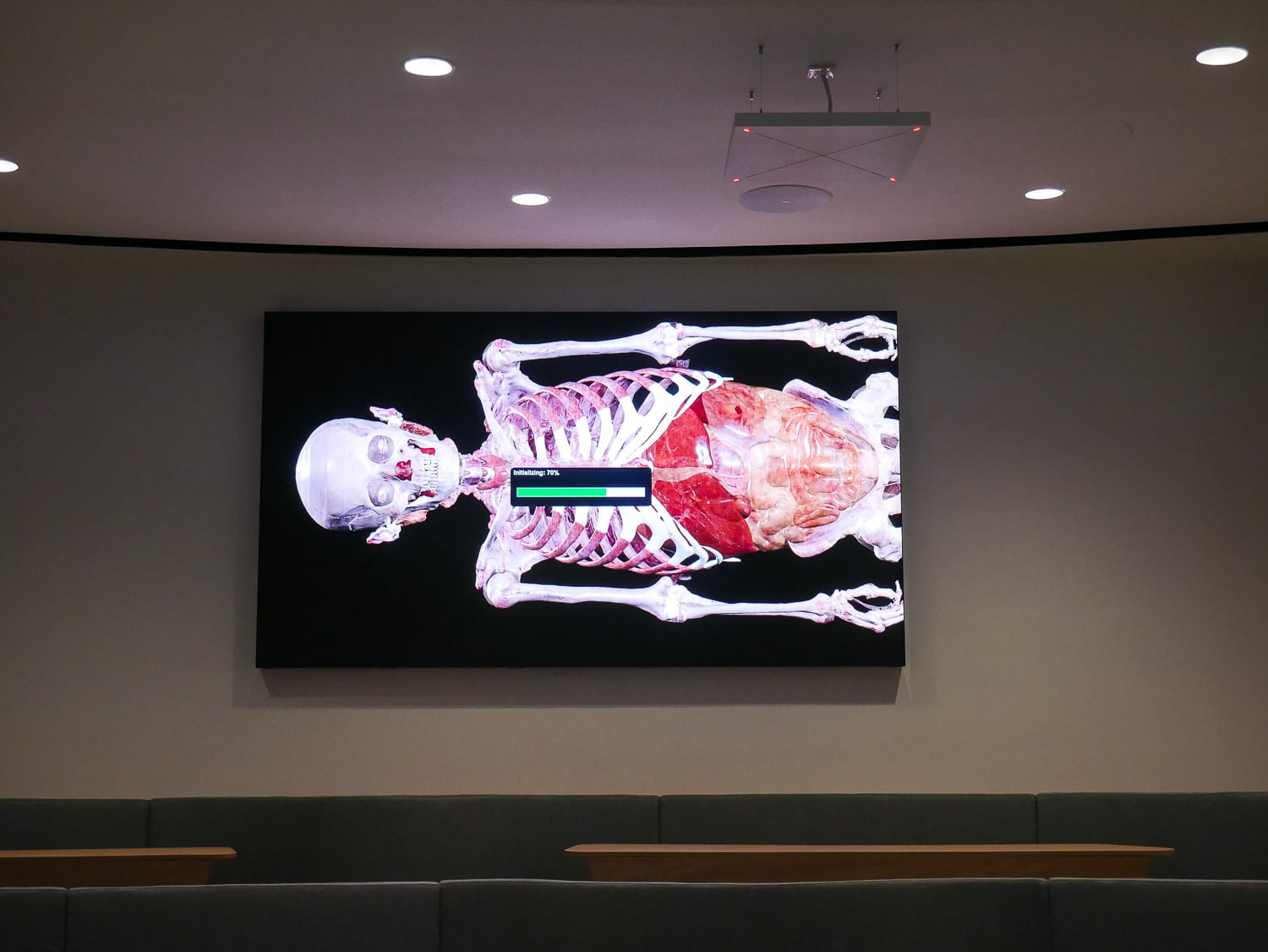
At University of Greater Manchester’s Institute of Medicine, the focus was on creating innovative teaching facilities capable of supporting modern methods of medical education, simulation-based learning and high-flex teaching approaches. Projects such as these demonstrate how educational institutions are continually seeking technologies that provide the best possible learning experience for students and staff alike.
As educational environments become more sophisticated, organisations are increasingly assessing whether LED can provide additional value in spaces traditionally designed around projection.
More Than Just a Display
We’re also seeing LED chosen because it can become part of the architecture itself.
Displays are no longer viewed purely as presentation tools. They communicate information, showcase achievements, support branding initiatives and help bring buildings to life.
A great example is the Stephenson Building at Newcastle University. During redevelopment of the building’s central atrium, the original concept considered a traditional video wall solution. Following technical and cost assessments, a 6m x 3m LED display was selected due to its longevity, sustainability benefits and lower running costs, with only a relatively small difference in overall project cost. Positioned at the heart of the building, the display has become both a communications platform and a striking architectural feature.
This reflects a wider trend we’re seeing across both education and corporate environments, where technology is expected to enhance not only functionality but also the overall experience of a space.
Choosing the Right Technology
None of this means projection is disappearing.
Modern laser projection continues to provide an outstanding solution for many lecture theatres, auditoriums, event spaces and presentation environments. In many situations, it remains the most practical and cost-effective choice for achieving large-scale visual experiences.
What has changed is that LED is no longer considered a niche or specialist alternative.
As technology has matured and costs have become more competitive, LED has become a realistic option for lecture theatres, town hall spaces, learning environments, atriums and large presentation areas. Whether it’s supporting hybrid learning, creating a showcase destination within the Stephenson Building, enabling next-generation medical education at the University of Greater Manchester or helping organisations communicate with employees at scale, LED is increasingly proving its value in spaces where projection would once have been the automatic decision.
The result isn’t a choice between projection and LED.
It’s about understanding how the space will be used, the experience users expect and the long-term value each technology can deliver. In many projects, projection remains the right answer. In an increasing number of others, LED is earning its place at the table much earlier in the conversation.
This is exactly why organisations benefit from working with an experienced AV integration partner. Selecting the right display technology isn’t simply a question of screen size or budget. Factors such as room layout, viewing distances, ambient light levels, user requirements, content types, maintenance expectations and future flexibility all influence the optimum solution.
At Universal AV, we take a consultative approach that starts with understanding how a space will function, both today and in the future. Rather than recommending a technology for technology’s sake, we help clients evaluate the advantages of projection, LED and other display solutions against their specific objectives, ensuring investments deliver lasting value.
By considering the wider picture, from user experience and operational requirements through to longevity, sustainability and total cost of ownership, organisations can make confident decisions that support their people, maximise engagement and ensure their spaces remain effective for years to come.
Other case studies to explore:
-
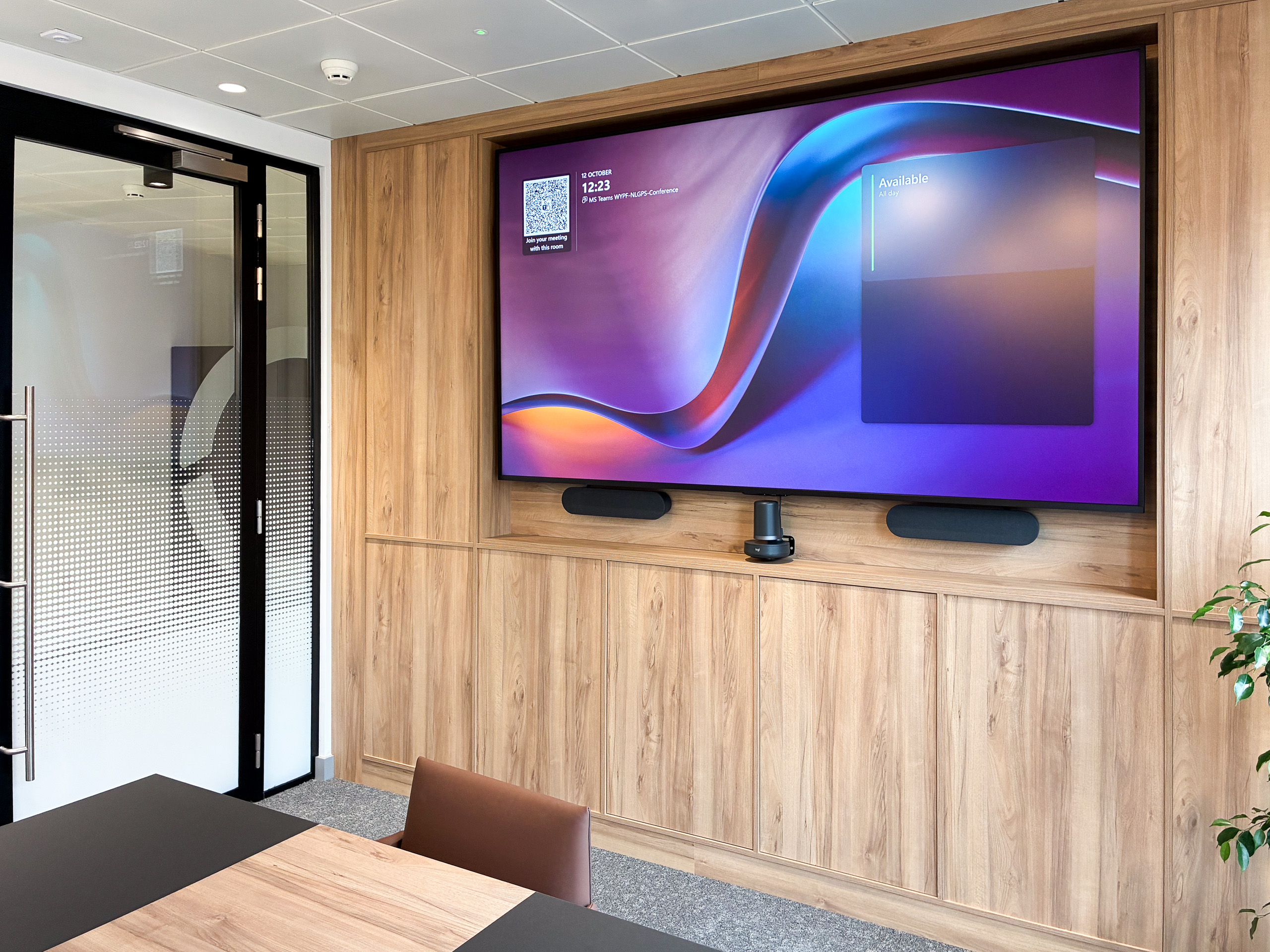
Sophisticated workplace technology for Aldermanbury House
Universal AV worked in partnership with Ultimate Commercial Interiors and This Is Interiors to deliver intuitive meeting room technology at Aldermanbury House, seamlessly integrating AV to support collaboration while complementing the workplace design.
Read More
-
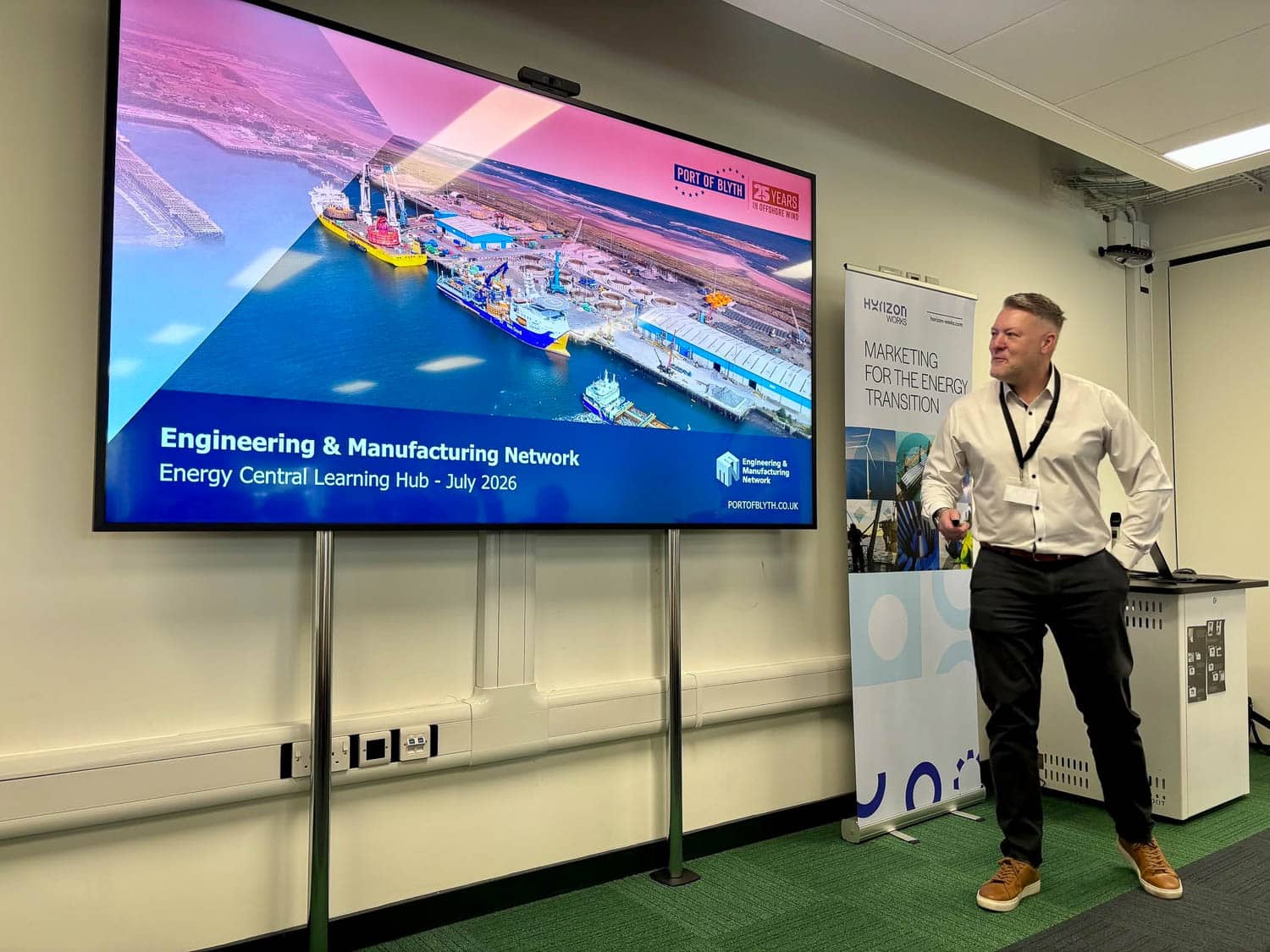
Energy Central Learning Hub: A Future-Ready AV Environment for Clean Energy Education
We delivered a flexible, future-ready AV solution for the Energy Central Learning Hub, supporting everything from everyday teaching to large-scale conferences and events. With intuitive control, automated room configuration and integrated audio and video, the system is simple, scalable and built for the future.
Read More
-
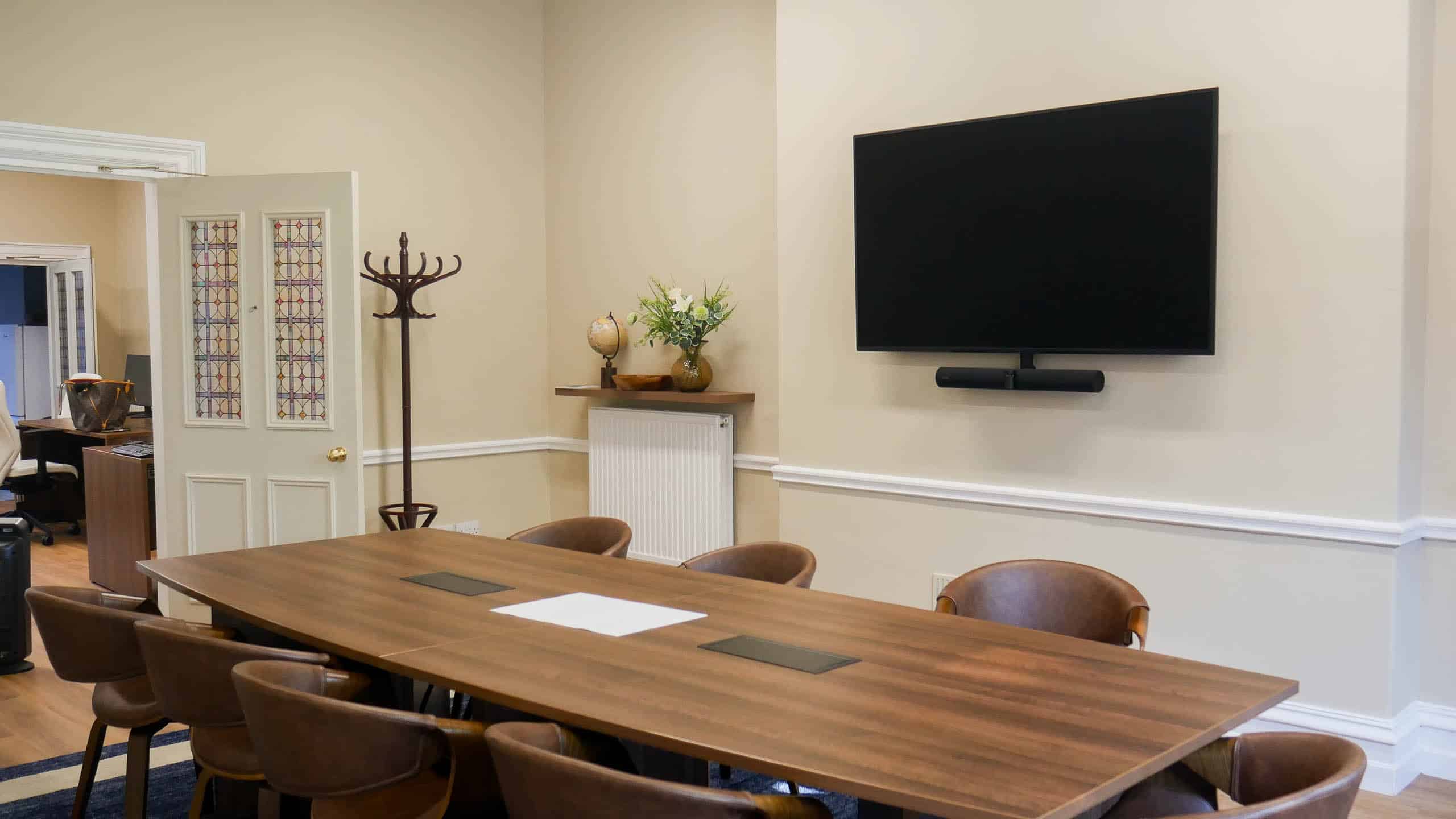
AV Design-Led Collaboration for Traditum’s New Leeds Office
More than an AV installation, this project showcases how Universal AV supported Traditum throughout its entire office fit-out. From planning to delivery, the result is a simple, reliable collaboration space built for long-term success.
Read More
Start your project today
To discuss your audio visual needs for your next project contact us. We will work with you to devise a solution to meet your requirements and needs.
Call 01274 200280
Email sales@uniav.com
Send us a message
"*" indicates required fields