


The Most Expensive Meeting Room Is the One You Pay for Twice
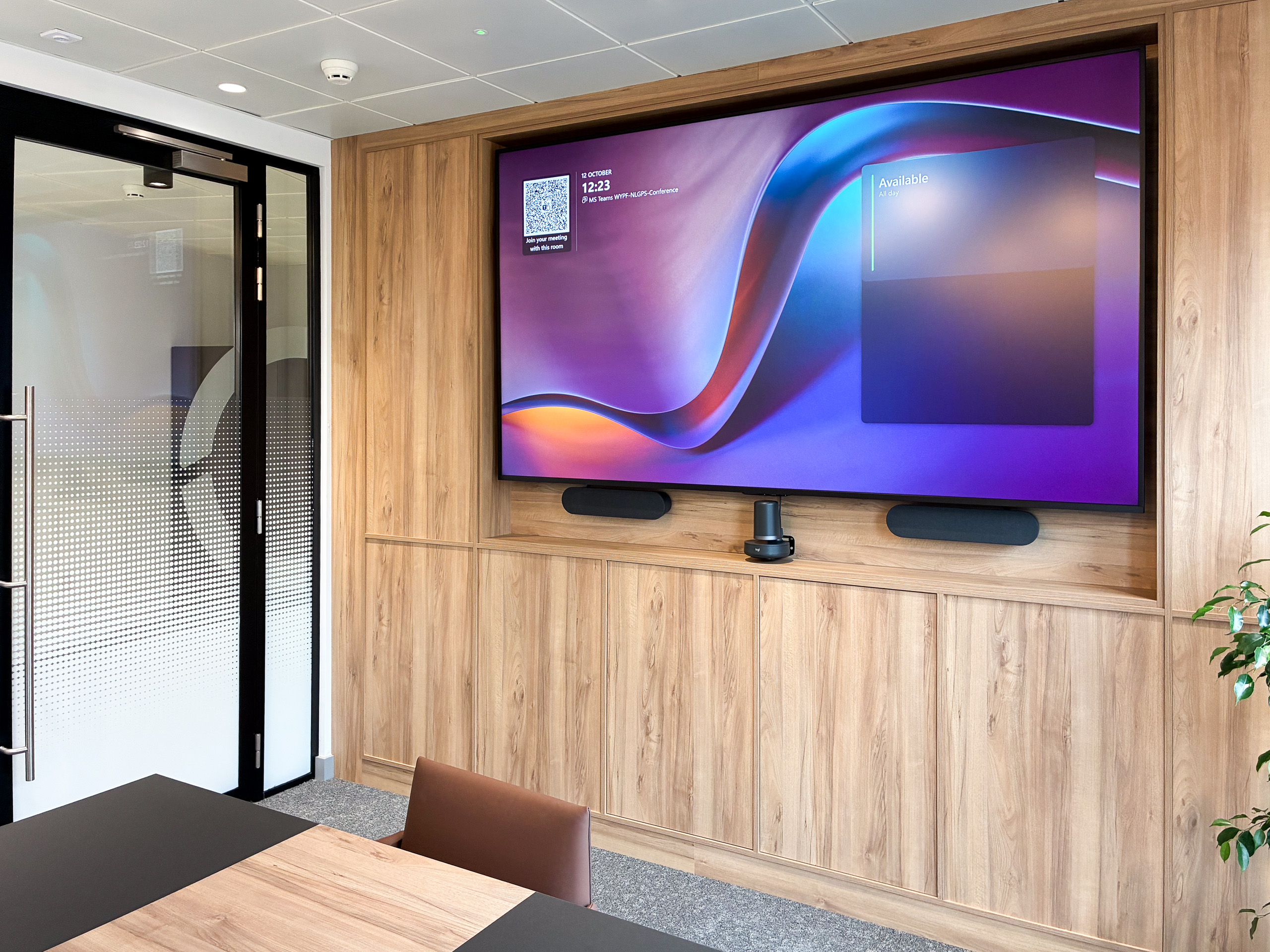
How much is a bad meeting really costing your business?
Most organisations think of meeting room technology problems as little more than a minor inconvenience.
A microphone doesn’t work. The screen refuses to connect. Someone spends five minutes searching for the right cable while another person restarts the system. Eventually the meeting begins, but not before frustration has already set in.
The problem is that these delays aren’t free.
When we talk about the cost of workplace technology, the conversation usually focuses on what the equipment costs to buy and install. Far less attention is given to the cost of technology that doesn’t perform as expected.
And that’s often where the real expense lies.
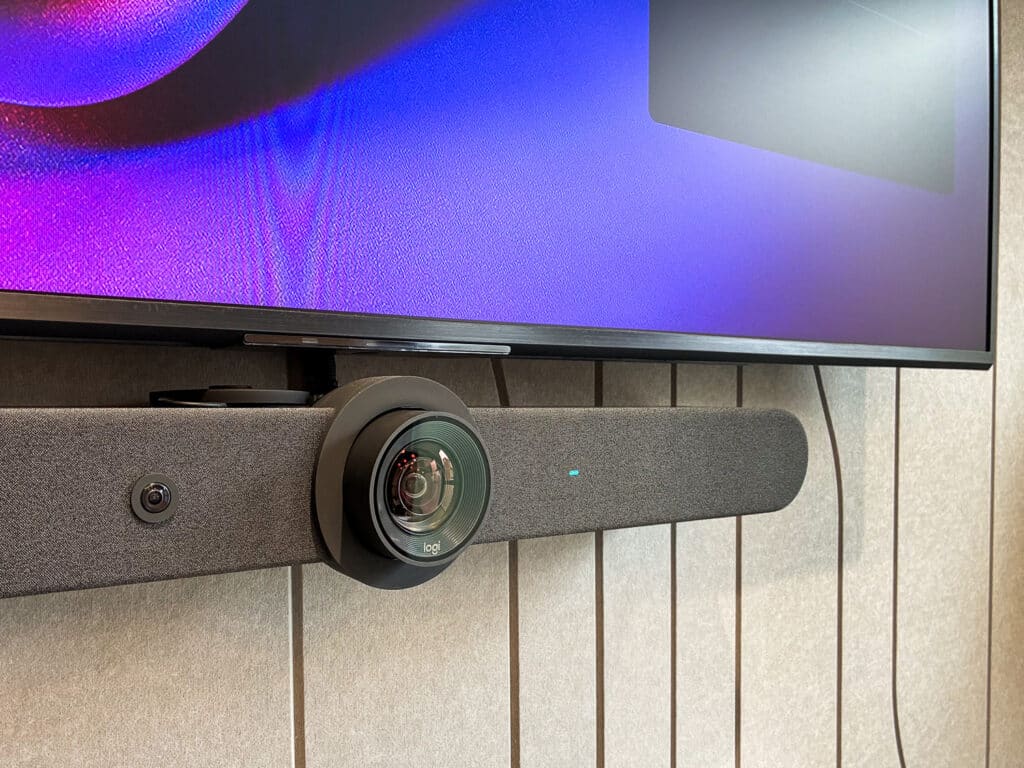
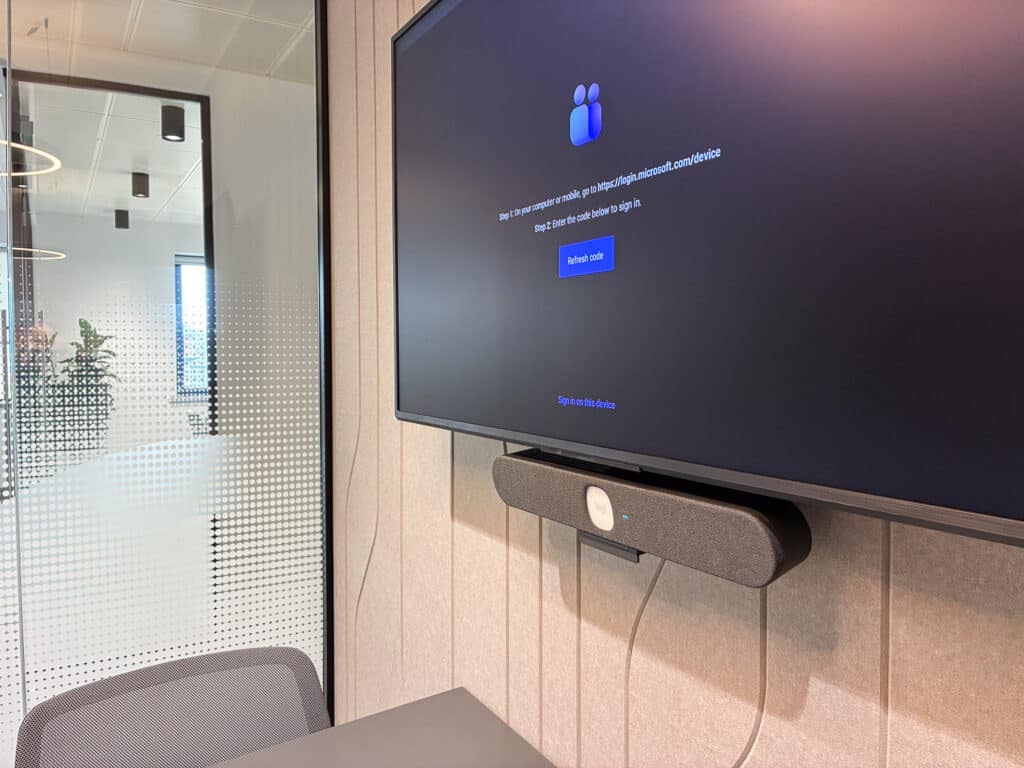
Ten minutes doesn’t sound like much. Until you multiply it.
Research from Jabra found that 75% of meetings experience some form of technology issue, with an average of 11 minutes lost per affected meeting. (Jabra Cost of a Bad Meeting Report)
At first glance, that hardly sounds catastrophic. However, when you attach a cost to that lost time, the picture changes quickly.
Using the current UK National Living Wage of £12.71 per hour as a simple example, ten minutes of working time costs approximately £2.12 per person.
For six people attending a meeting, that’s around £12.71 lost every time a meeting is delayed by ten minutes.
Across ten meetings each week, that amounts to more than £6,600 of lost working time per year. Increase attendance to ten people and the figure approaches £11,000 annually.
Those figures are deliberately conservative. Most organisations will have employees whose time costs considerably more than the National Living Wage.
And that’s before considering the costs that are harder to measure, such as delayed decisions, disrupted schedules, frustrated employees, support calls to IT teams, and clients waiting for a meeting to begin.
Suddenly, what felt like a minor technical issue starts to look like a business problem.
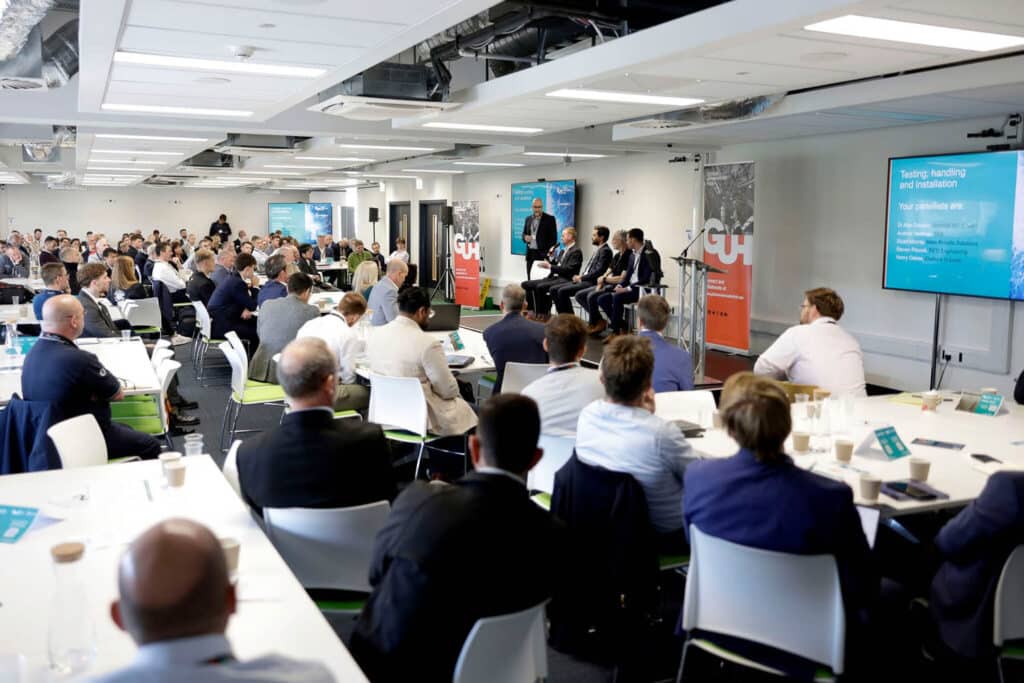
The danger of treating AV as an afterthought during fit out
With budgets under pressure, workplace technology is often viewed as an area where costs can be reduced. The thinking is understandable. Perhaps a more basic solution will do for now. Perhaps the specification can be scaled back. Perhaps upgrades can be made later if required.
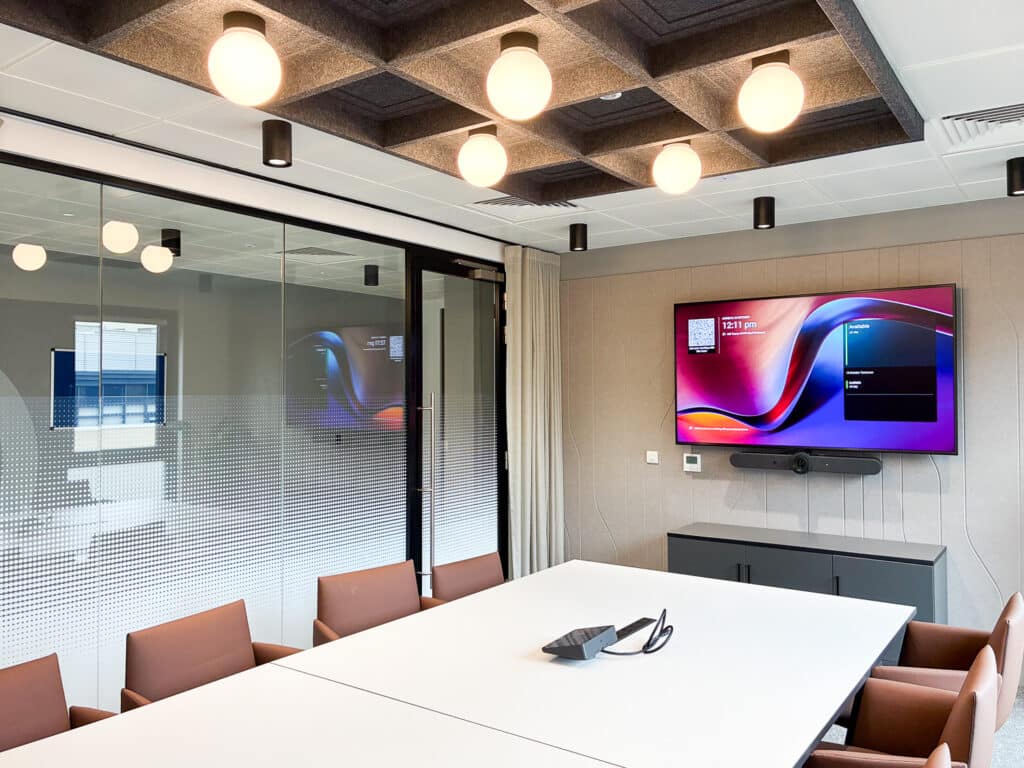
The difficulty is that the cost rarely disappears. More often, it simply moves. And when it reappears, it is usually far more expensive. We’ve all seen examples of meeting rooms that look fantastic when the project is handed over. The finishes are excellent, the furniture looks great, and everything appears complete.
Then people start using the space.
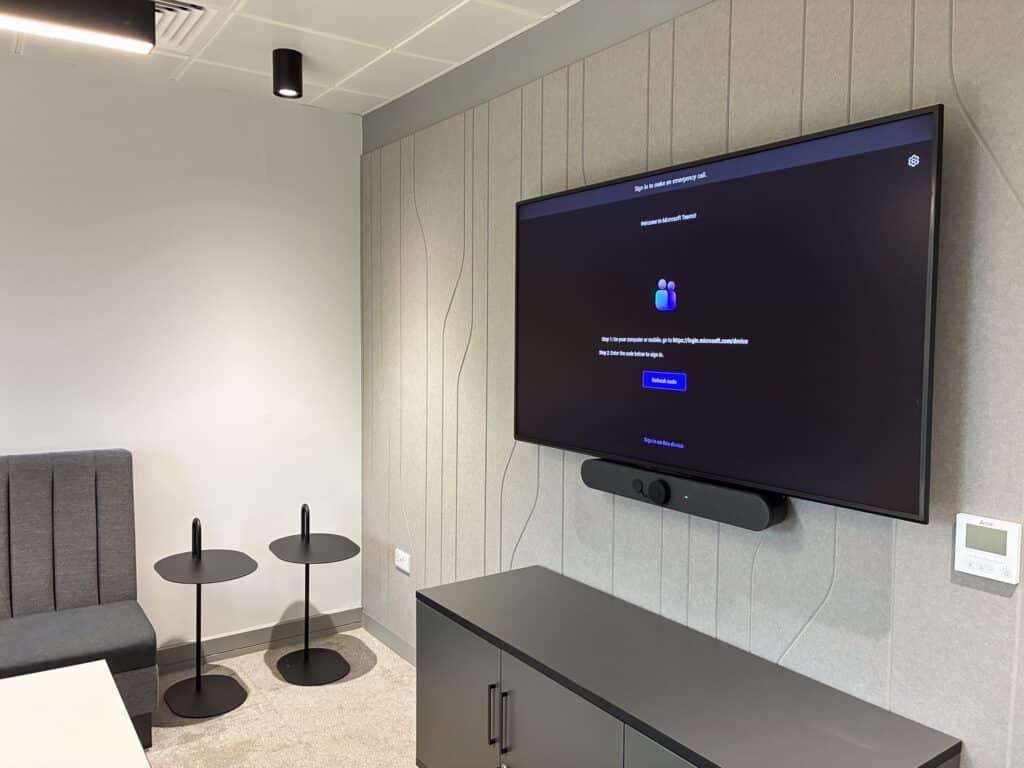
The display isn’t quite large enough. Audio quality is inconsistent. Remote participants struggle to engage properly. Staff begin bringing adapters and cables from their desks because connecting isn’t as straightforward as expected.
The room works, but not particularly well. At that point people stop using the room and the organisation is left with two options: tolerate the frustration or invest in fixing it.
Unfortunately, making changes after a room is complete is rarely as simple as making the right decisions during design. Equipment may need replacing, cabling may need rerouting, infrastructure may need revisiting, and in some cases completed areas need to be opened up again to accommodate technology that should have been considered from the start.
That’s how businesses end up paying twice.
A meeting room is no longer just a meeting room
The modern workplace has changed dramatically in recent years.
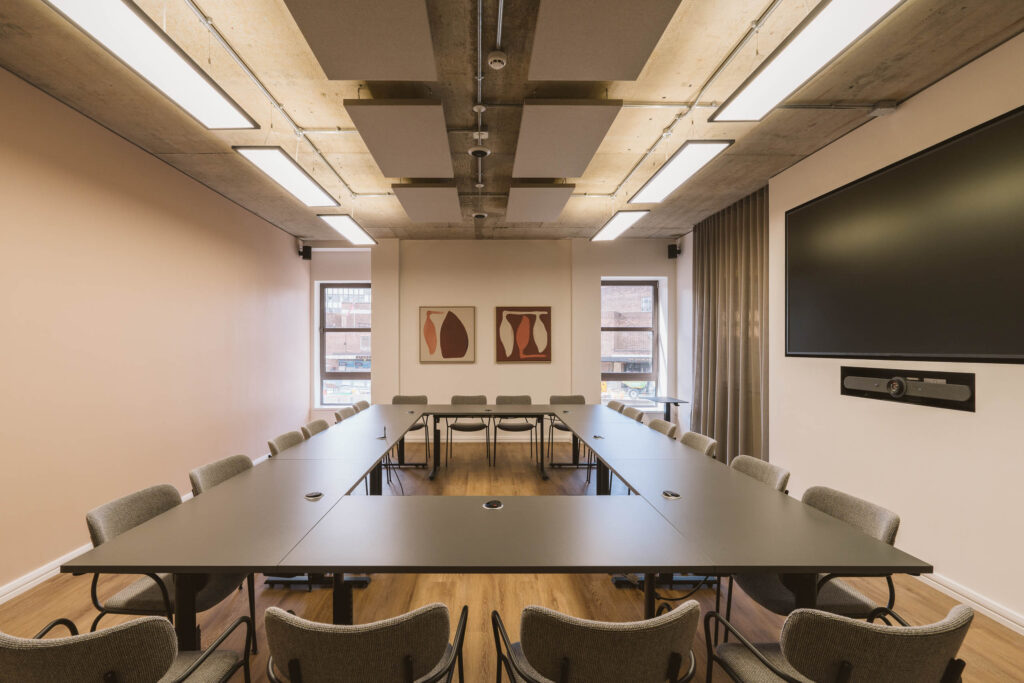
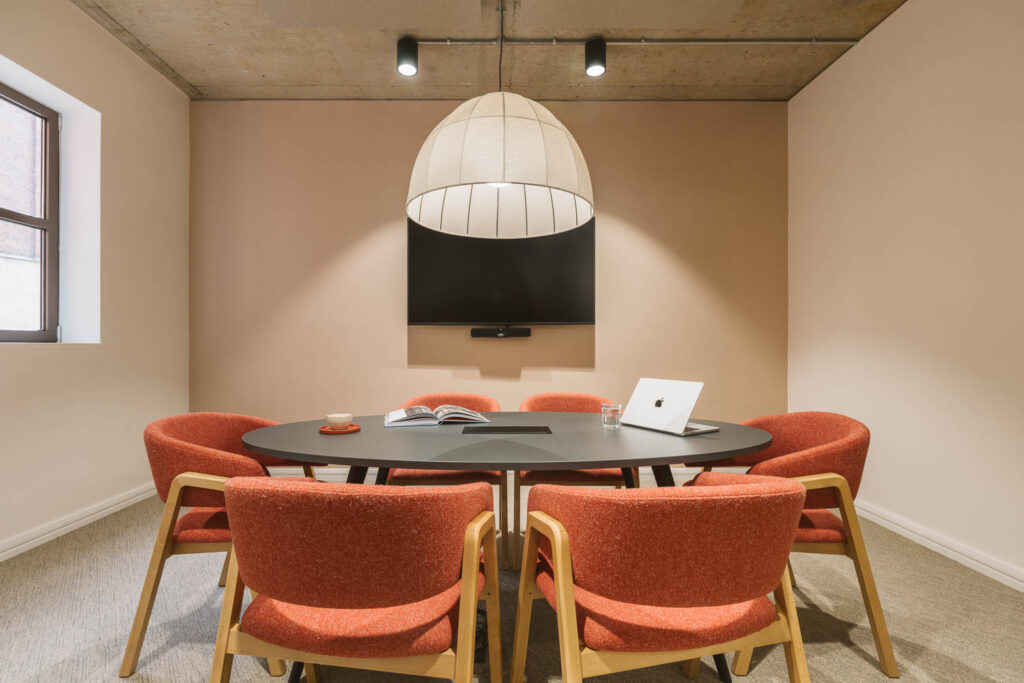
Today’s meeting spaces need to work equally well for people sitting around the table and those joining remotely from home, other offices, or client locations. As a result, technology is no longer something that can simply be added at the end of a project.
Displays influence room layouts. Audio affects acoustics. Cameras impact sightlines. Connectivity requirements influence infrastructure decisions. Even furniture choices can affect how successfully people collaborate within the space.
The best workplace projects recognise these relationships early and consider AV as part of the overall design conversation rather than as a standalone technology package.
Good technology should be invisible
Ironically, the best AV systems are often the ones nobody notices.
People walk into the room, connect without assistance, share content effortlessly and start their meeting on time. Nobody comments on the microphone. Nobody congratulates the camera for working. Nobody notices the infrastructure behind it all.
And that’s exactly the point.
Technology should support collaboration, not become the focus of it.
The real return on investment is time
When organisations evaluate workplace technology, the conversation often starts with cost. A more useful question is what the technology saves.
A reliable meeting environment saves time. It reduces support calls. It removes unnecessary friction from everyday tasks. It allows meetings to begin on time and helps teams collaborate more effectively.
Viewed through that lens, AV isn’t simply an equipment purchase. It’s an investment in workplace productivity.
The Bottom Line
The most expensive meeting room isn’t necessarily the one with the highest technology budget. More often, it’s the room where technology wasn’t properly considered from the outset. You pay for it once when the space is built, then you pay again when it needs to be fixed.
After all, the most expensive meeting room may not be the one that cost the most to build. – It may be the one you have to pay for twice.
Before your next workplace project, ask yourself:
Is your AV strategy being designed around how people actually work, or is it simply being fitted into the space once everything else has been decided? The next important question to ask is, is an AV specialist involved – if the answer is no then they need to be!
At Universal AV, we work with organisations, designers, contractors and workplace teams to ensure technology is considered from the outset, helping create spaces that are easy to use, support collaboration and avoid costly remedial work later.
If you’re planning a new workplace, refurbishment or meeting room upgrade, let’s have a conversation before the ceilings are closed and the furniture is installed. You may be surprised how much time, money and frustration the right planning can save.
Contact Universal AV today to discuss your project and arrange a consultation.
About the author
Shelley Townend – Marketing Manager Universal AV
Shelley Townend is the Marketing Manager at Universal AV, where she has spent over 14 years developing the company’s brand, content, and communications strategy. With a front-row seat to more than a decade of change in the AV and workplace technology industry, she writes about the trends, challenges, and ideas shaping how organisations design and use their spaces.
Start your project today
To discuss your audio visual needs for your next project contact us. We will work with you to devise a solution to meet your requirements and needs.
Call 01274 200280
Email sales@uniav.com
Send us a message
"*" indicates required fields