


AV Looks Like IT… Until You’ve Worked in AV
During my time working in the IT Managed Services industry, I met some incredibly smart and talented people who could solve almost any technical problem with calm and precision.
Working alongside them, I learned so much about networks, switches, firewalls, endpoints, cyber security and cloud collaboration platforms. It’s the kind of knowledge I still take into consideration today when approaching the AV projects I’m involved in.
Part of my work included AV, but it was something that sat alongside everything else as a value-added service. A meeting room here, a display there, a Teams or Zoom solution for a client. Survey it, install it, test it, hand it over. Job done.
And most of the time, that level of AV was fine.
Then I moved deeper into the world of AV and realised I’d only ever scratched the surface. It’s exactly why I wanted to write this: to share my experience and maybe help others see that AV is far more complex than it appears on the surface.
Here are a few of the things I’ve come to realise, the parts of AV most IT people never actually see.
AV Problems Don’t Always Look Like IT Problems
In IT, problems can be obvious. A service drops, an alert is raised or devices become slow. You might not be able to put your finger on the exact problem, but you know something is off while you’re waiting for your page to load.
Even when the issues aren’t obvious, you usually have event logs or dashboards full of metrics that point you towards the fault and give those troubleshooting the problem a starting point.
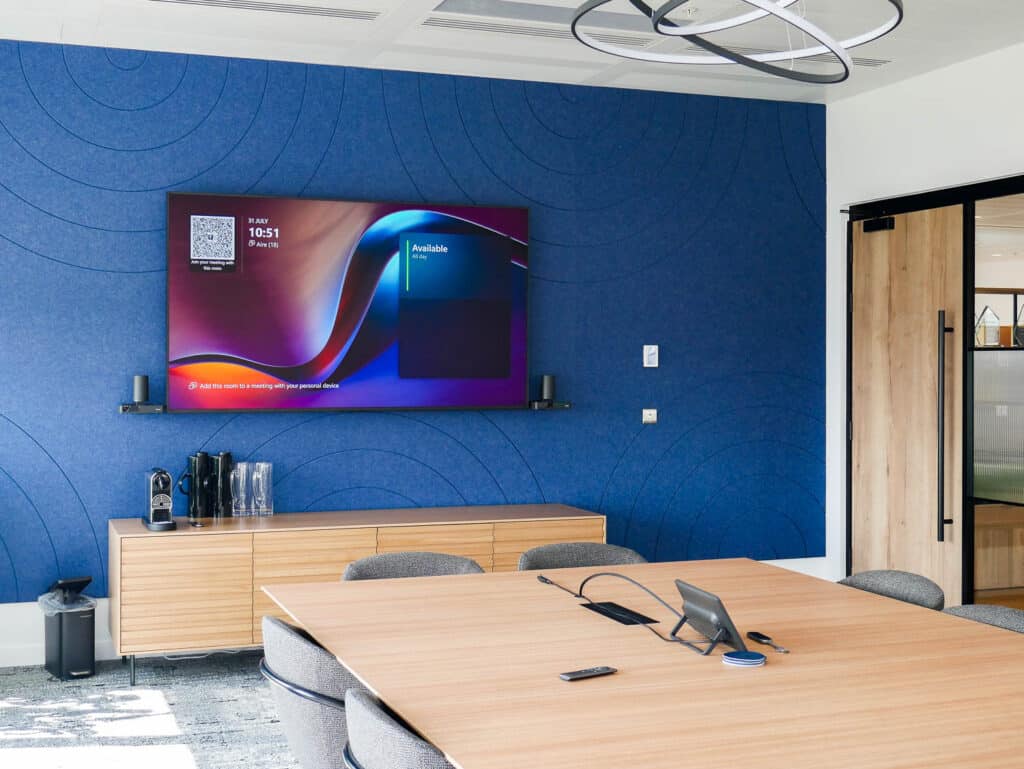
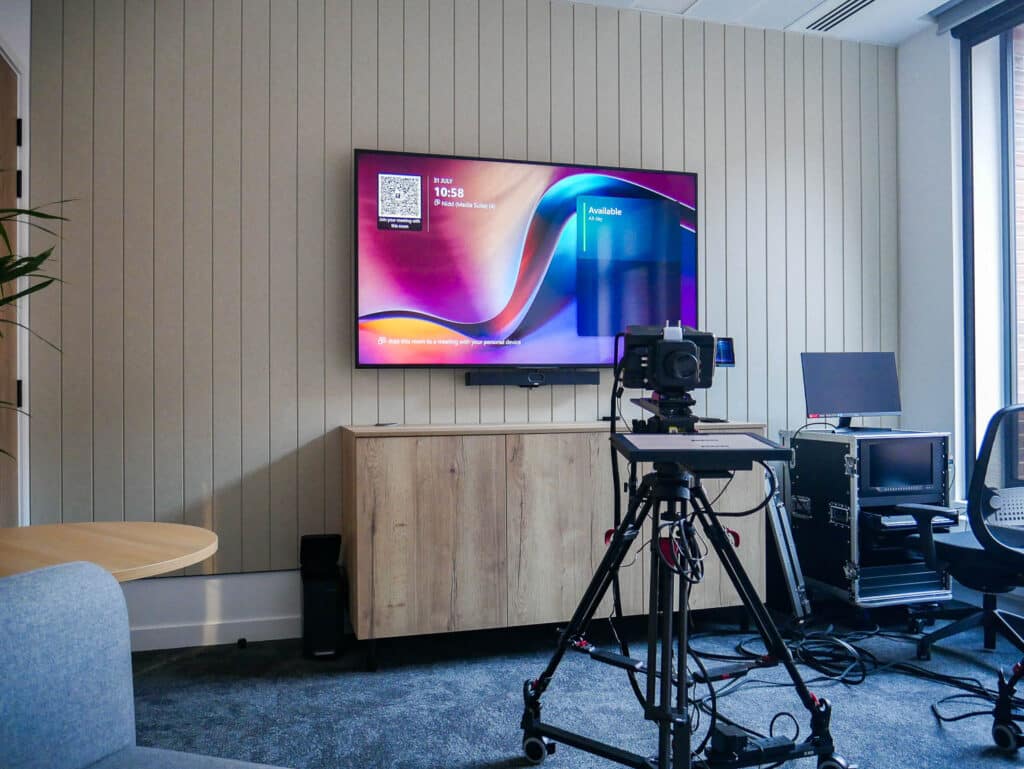
In AV, everything can appear green on paper while the experience quietly falls apart.
People sound distant and far away. Conversations feel poor. Visuals feel wrong. And don’t even get me started on the acoustics.
Nothing is technically broken, yet the room is still failing, and nobody likes using it.
That’s not simply an equipment or device issue. It’s the messy intersection of people, space and technology.
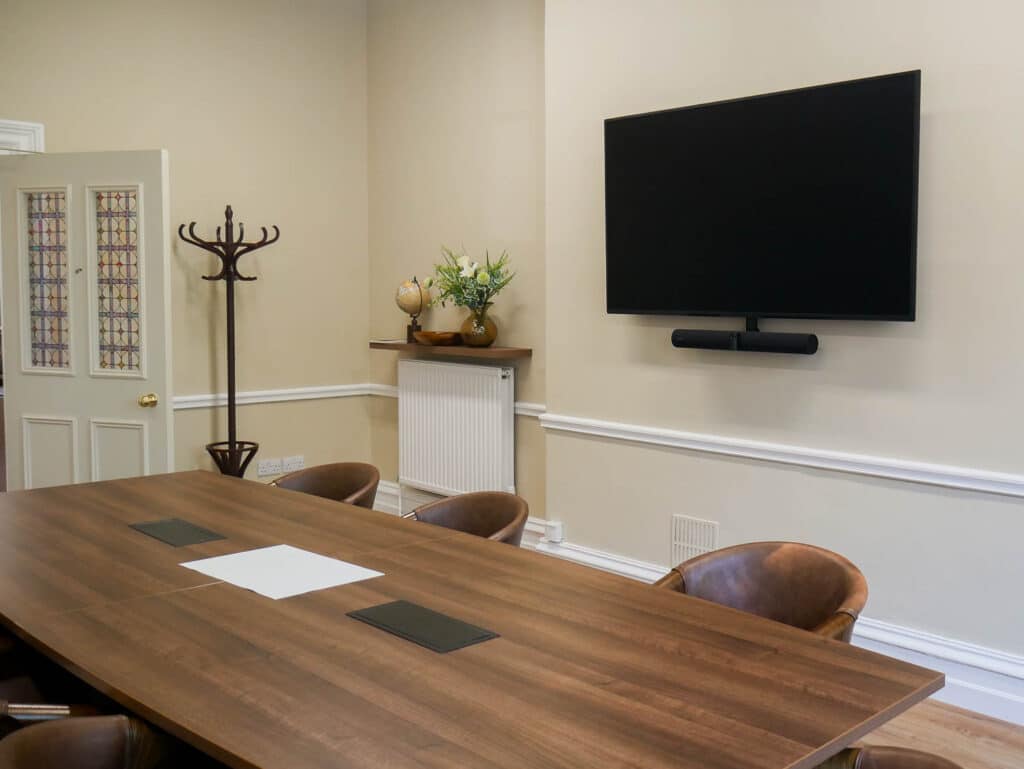
AV Has Become Part of IT Infrastructure, But They’re Not the Same
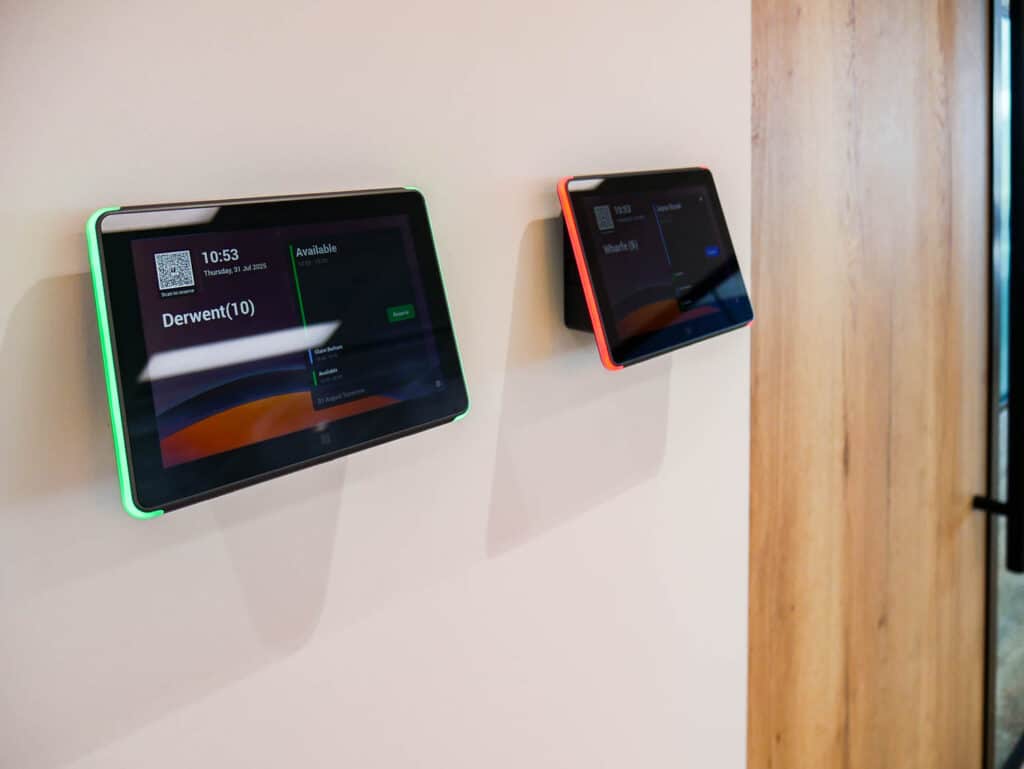
Yes, AV has become a permanent resident on networks, reliant on cloud platforms for management and enterprise security standards for compliance.
For years, there has been a form of convergence between AV and IT, and businesses now treat AV as an extension of their IT infrastructure. There is a need to monitor and manage AV in much the same way as IT endpoints, and that has changed the landscape.
With IT teams already being responsible for the networks, they’ve naturally, or reluctantly, taken ownership.
But convergence doesn’t make them the same.
The disciplines still require different skillsets.
I am lucky enough to work with AV professionals who’ve spent decades shaping this industry, and there is a specialism to professional AV that IT can’t replicate.
Room design, acoustics, audio, lighting, physical integration and craftsmanship all shape the human experience of a meeting.
That’s the human layer most IT teams never get to see.
IT sees AV as devices and networks. AV integrators see AV as people, spaces, behaviour and an experience.
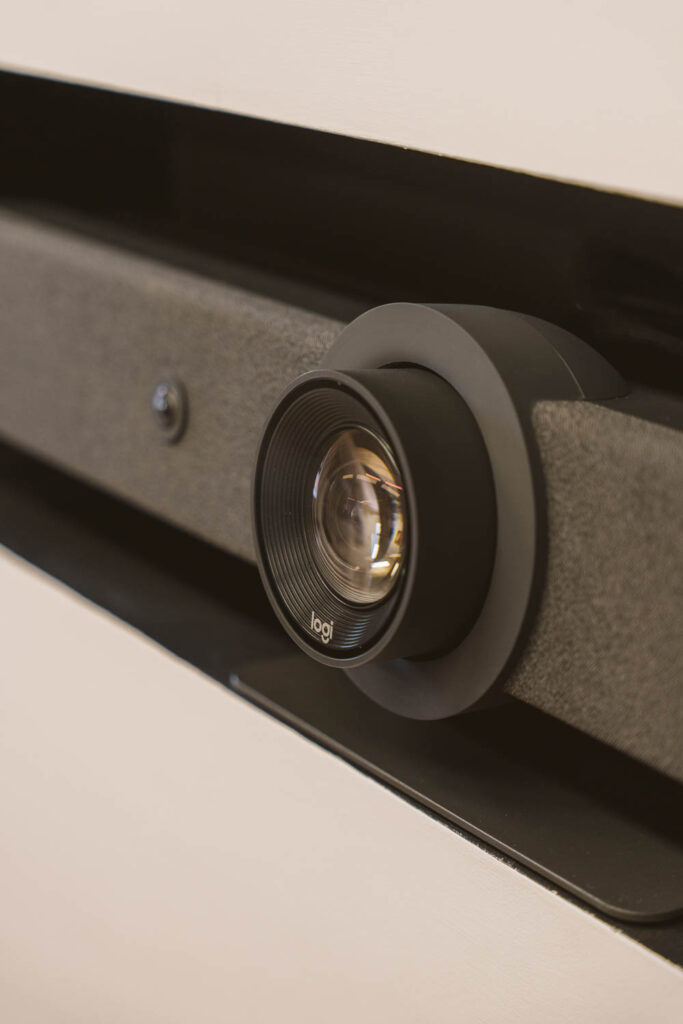
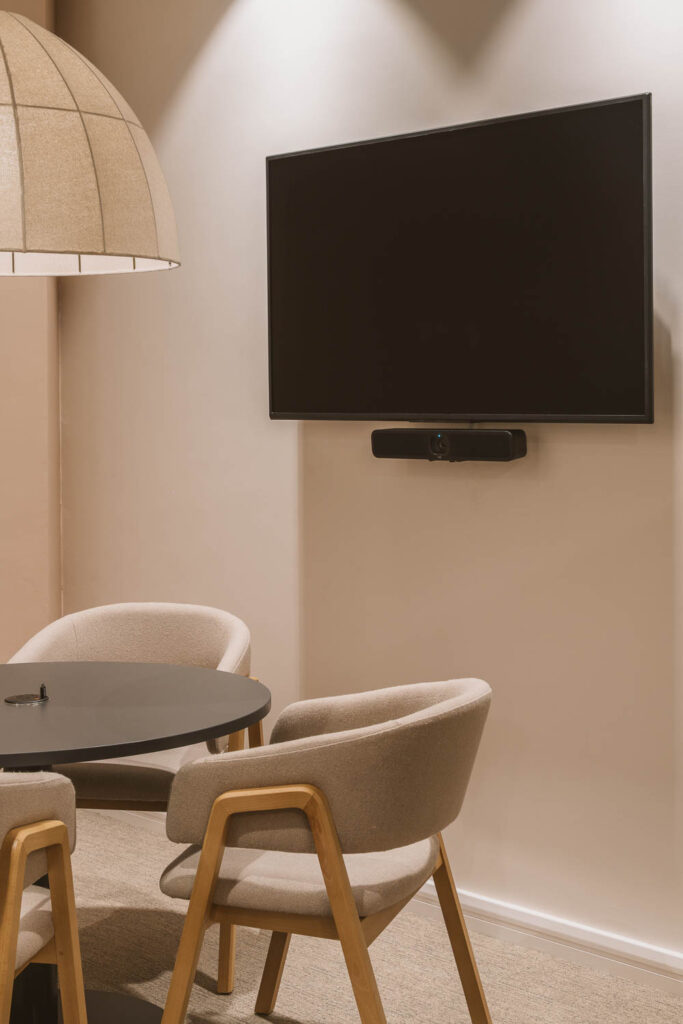
Why AV and IT Need Different Skillsets
This is perhaps the biggest difference I’ve come to appreciate.
The closer AV gets to IT, the easier it is to assume that the same approach can be applied to both. There are certainly areas where the two disciplines overlap, particularly around networks, cloud platforms, monitoring and security.
But the success of an AV system isn’t only about whether the technology is connected and functioning.
The room itself matters. The acoustics matter. The way people interact with the technology matters. The way audio and visual elements work together matters.
These are all areas where professional AV requires its own knowledge and experience.
That’s something I didn’t fully appreciate when AV was simply another service sitting alongside IT.
Final Thought: AV and IT Are Becoming Inseparable
While AV and IT often get grouped together, they come from very different places.
IT is built around networks, infrastructure and data.
AV is built around people, spaces and experiences.
One focuses on uptime and security, the other focuses on clarity, presence and how a room feels to use.
Today, the two services are more connected than ever — a partnership where collaboration works.
Modern AV depends on the same networks, cloud platforms and security frameworks that IT teams manage every day. At the same time, IT relies on AV to deliver the human layer of communication that the network alone can’t provide.
In the end, AV and IT aren’t becoming the same, but they are becoming inseparable.
And that’s exactly where the real value lies.
Treat AV as more than a bolt-on, and you’ll see the difference it can make: better rooms, happier users and fewer comments like, “It works, but…”
About the author
Chris Ginley – Business Development Manager, Universal AV
Chris Ginley is Business Development Manager at Universal AV, where he works with organisations to create smarter, people-centred workplaces by bringing AV, technology and workplace design together.
With a background in both IT and AV, Chris helps bridge the gap between technology and the built environment, working closely with designers, fit-out teams and workplace specialists to ensure technology is not only practical and future-ready, but intuitive for the people using it.
Since joining Universal AV as Business Development Manager in September 2025, Chris has worked across projects ranging from multi-site collaboration suites and boardrooms to event spaces and wider workplace rollouts, with a focus on making technology seamless, scalable and supportive of how teams actually work.
Chris is particularly interested in the relationship between AV, IT and workplace design, and enjoys connecting with people across workplace design, fit-out, AV, IT and construction to share ideas and explore how better technology can contribute to better working environments.
Start your project today
To discuss your audio visual needs for your next project contact us. We will work with you to devise a solution to meet your requirements and needs.
Call 01274 200280
Email sales@uniav.com
Send us a message
"*" indicates required fields