


Understanding Unified Communications: Bringing AV and IT Together
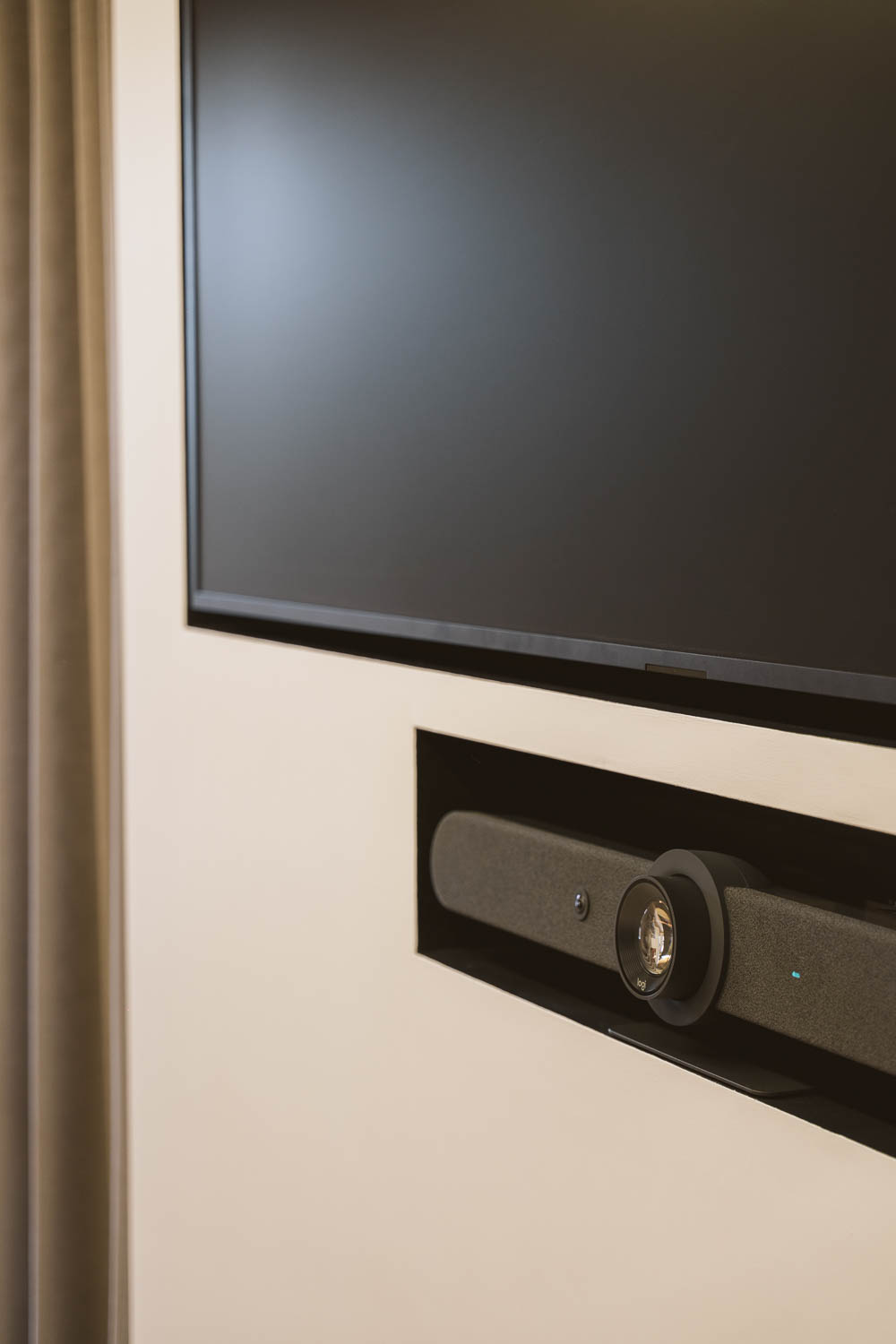
There was a time when audiovisual technology and IT occupied very different parts of an organisation.
AV teams focused on meeting rooms, presentation systems, displays, sound and the way people interacted with technology inside a physical space. IT teams managed networks, servers, computers, security and the wider digital infrastructure.
That distinction once made sense. Most AV systems were standalone, locally managed and largely disconnected from an organisation’s network. Today, however, the boundaries between the two disciplines have become increasingly difficult to separate.
Modern workplaces depend on connected technologies that combine physical spaces, digital platforms and cloud services. Meetings now take place across offices, homes and multiple time zones. Employees expect to move between rooms and devices without disruption. Collaboration platforms must work consistently, regardless of where participants are based.
Delivering that experience requires AV and IT specialists to work closely together.
This does not mean AV and IT have become the same discipline. Each requires its own expertise, experience and technical understanding. However, organisations can no longer plan them as completely separate functions.
AV is no longer just hardware
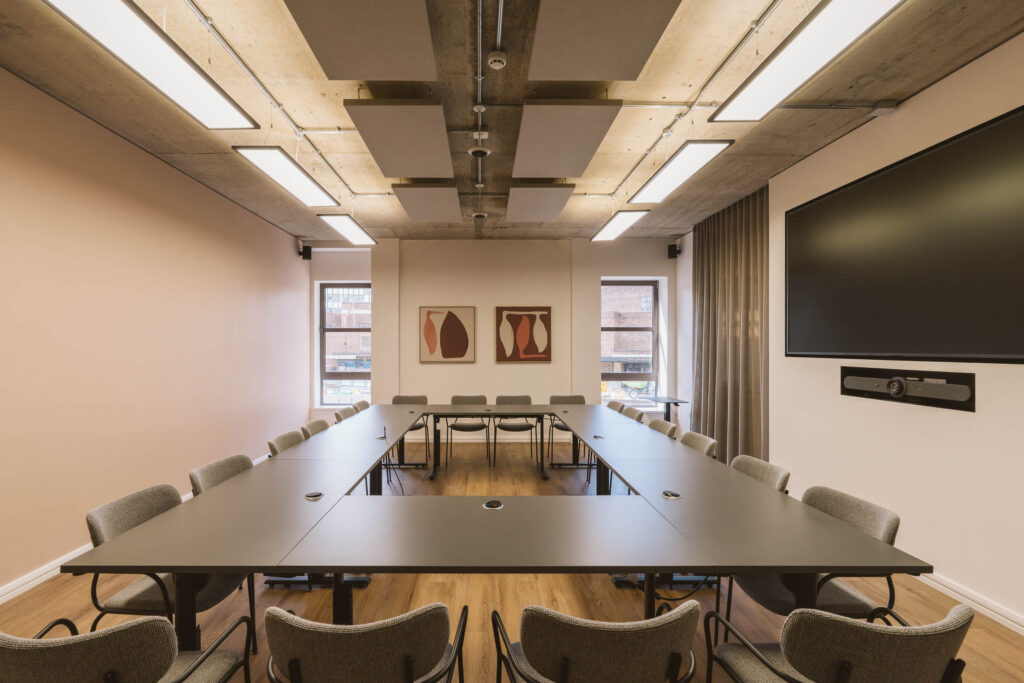
Traditional AV systems were largely built around physical equipment. Displays, projectors, speakers, microphones and control systems were installed within a room and operated with limited connection to the wider organisation.
That model has changed significantly.
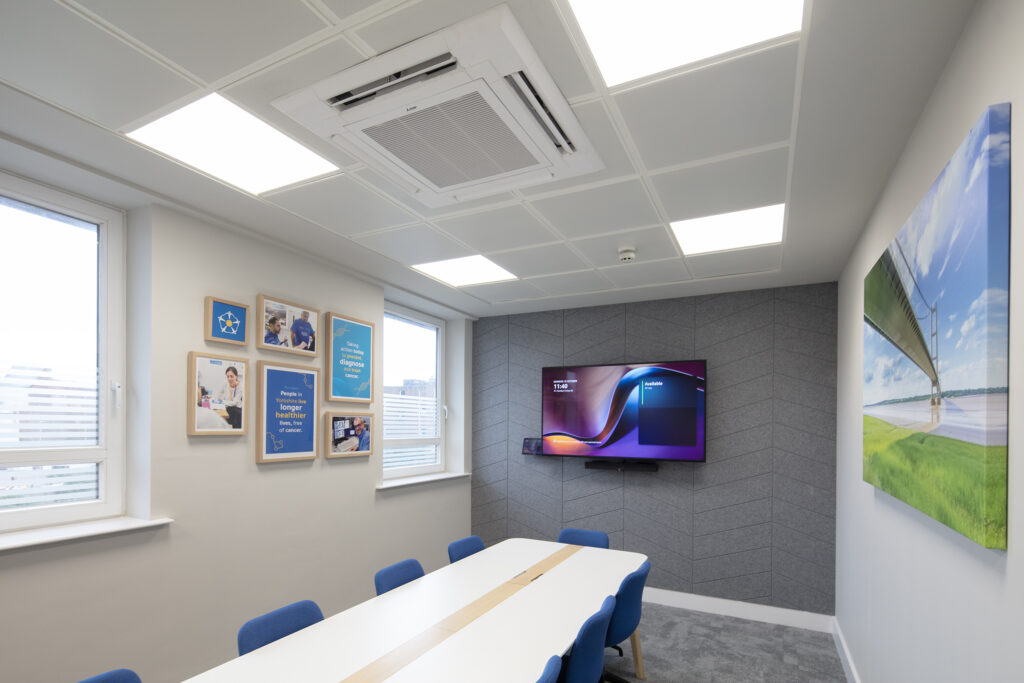
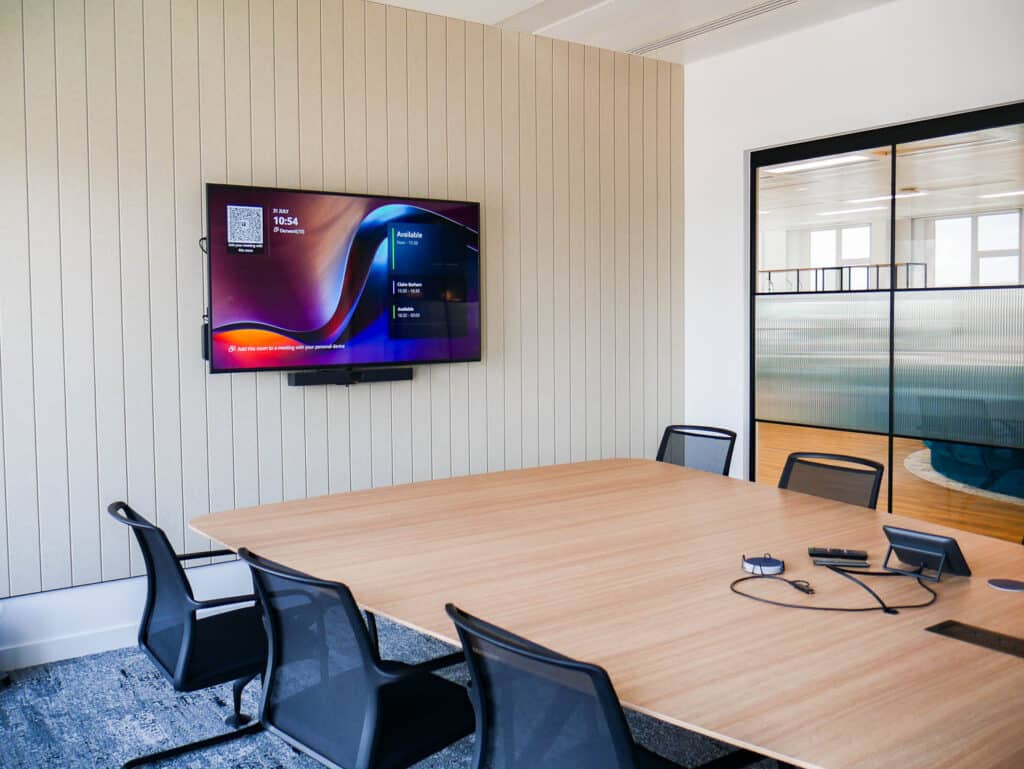
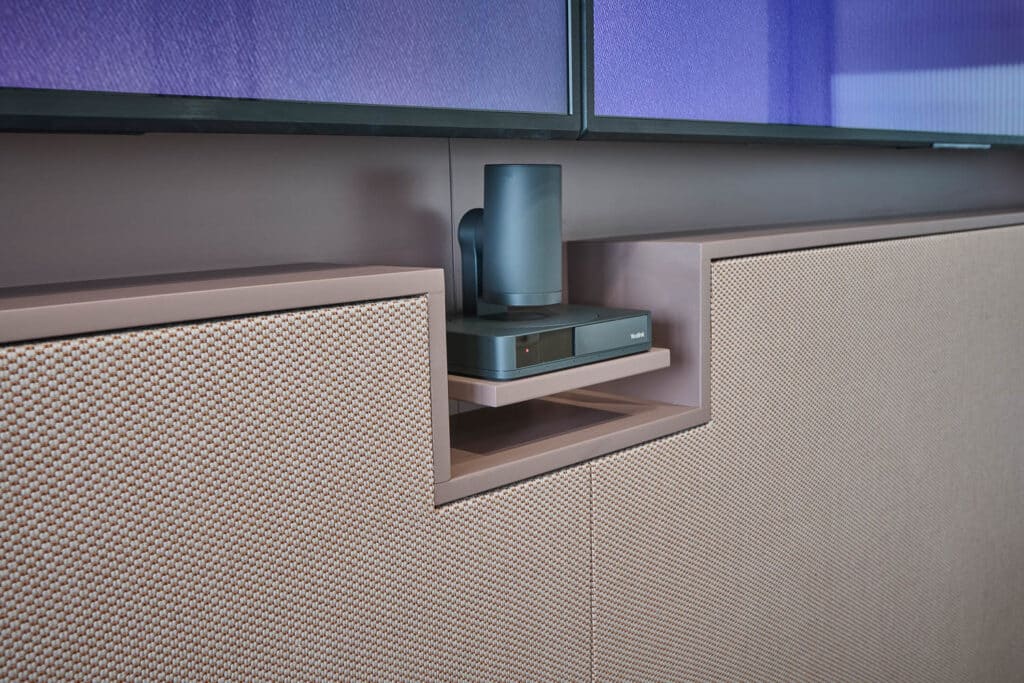
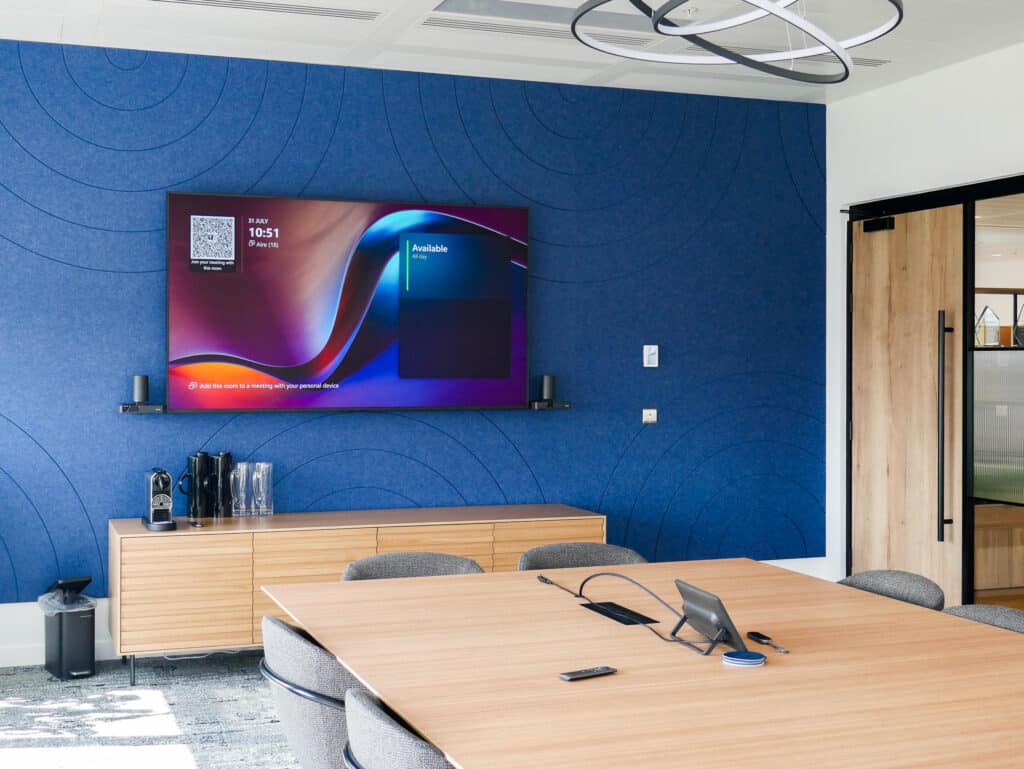
Today’s AV environments are intelligent, software driven and connected. AI enabled cameras can frame participants and track speakers. Audio can be distributed across an IP network. Digital signage platforms are managed remotely. Room booking systems exchange live occupancy and scheduling data. Wireless presentation tools connect users, devices and cloud platforms within seconds.
Modern AV systems now rely on many of the same foundations as other workplace technologies, including network connectivity, software updates, data management, authentication and cloud services.
As a result, the role of AV has expanded. It is no longer simply about installing technology within a room. It is about creating connected collaboration experiences that operate consistently across an entire organisation.
The display and speakers still matter, of course, but they are now only one part of a much wider ecosystem.
IT has evolved beyond infrastructure
The role of IT has also changed.
IT teams remain responsible for reliable networks, secure systems and device management, but their remit has grown considerably. Cloud platforms, cybersecurity, identity management, collaboration software and hybrid working have all become central to the function.
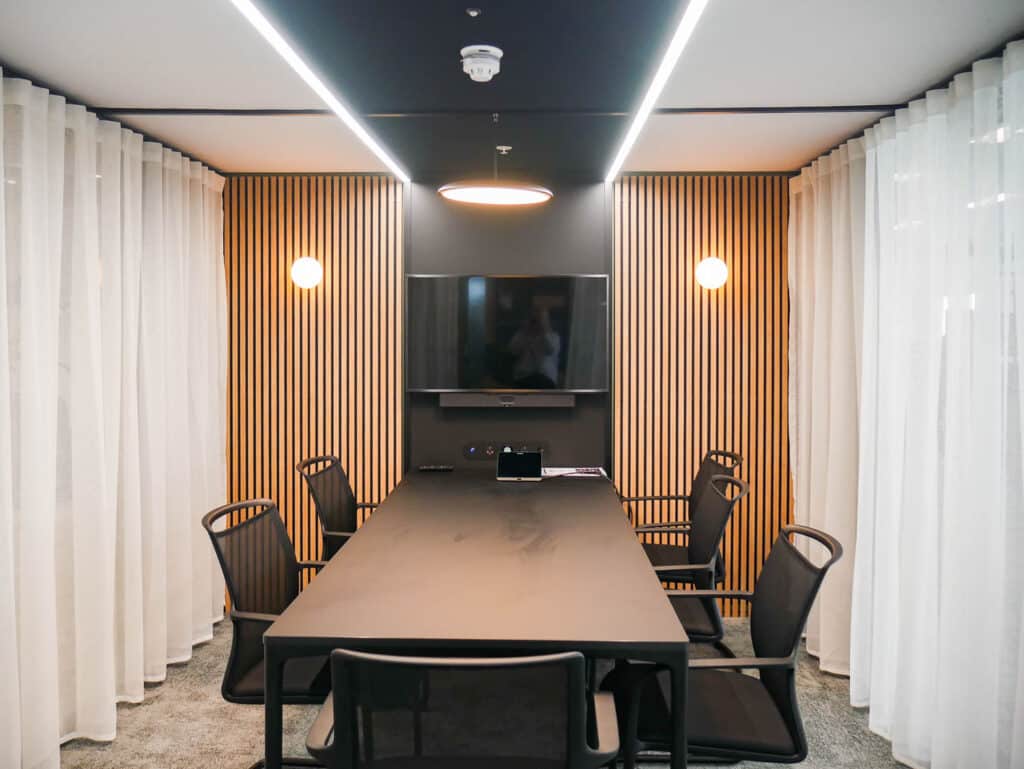
A modern meeting room is effectively another endpoint on the corporate network. Like a laptop, mobile phone or shared workstation, it must be configured, monitored, protected and maintained throughout its lifecycle.
It may need access to calendars, user accounts, cloud services and collaboration platforms. Its software must remain current. Its connections must be secure. Performance must be monitored, and technical issues need to be diagnosed quickly.
This means reliable collaboration depends on strong IT foundations. Even the most carefully designed meeting space will struggle if the network cannot support it or if security and authentication requirements have not been considered.
At the same time, excellent infrastructure alone cannot guarantee a good meeting experience. Users still need to be seen clearly, heard properly and able to interact with the room without unnecessary complexity.
Why AV and IT depend on one another
Almost every component within a modern collaboration environment relies on some combination of network connectivity, cloud services and secure authentication.
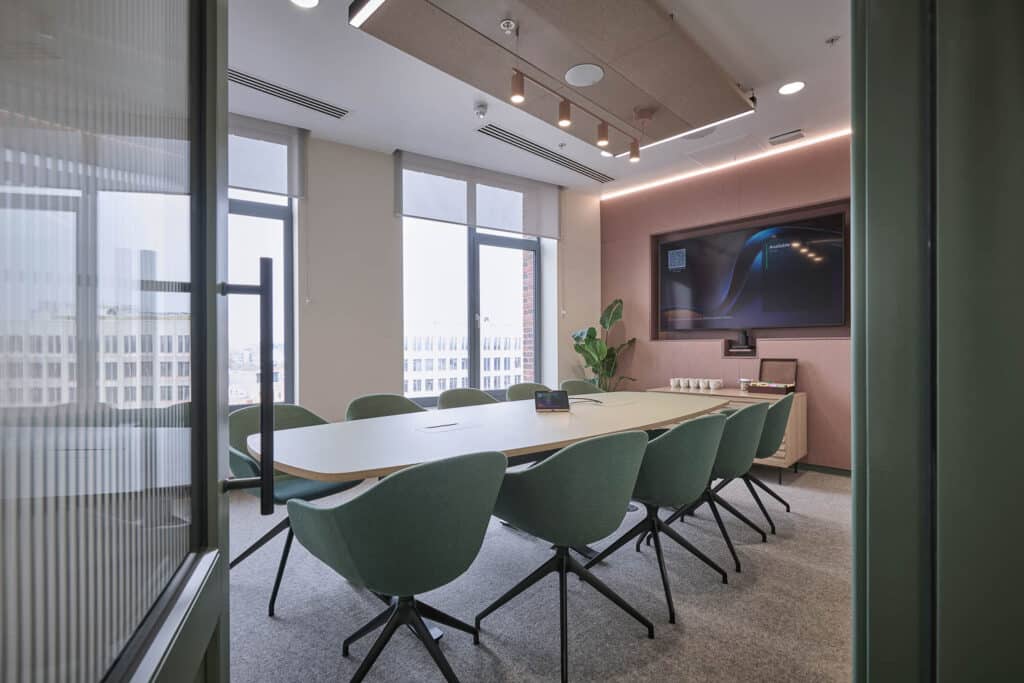
Collaboration platforms such as Microsoft Teams and Zoom depend on professional AV technology to provide a high quality experience inside meeting spaces. Cameras, microphones, speakers, displays and room controls turn the software platform into something people can use naturally as a group.
The relationship works in both directions.
Poor network performance can result in frozen video, delayed audio and dropped calls. Poor AV design can leave remote participants unable to hear the conversation or contribute effectively. Complicated controls can delay meetings and increase support requests. Inconsistent room setups can leave users uncertain about what to expect every time they enter a different space.
Neither AV nor IT can resolve all of these challenges independently.
The strongest outcomes are achieved when both disciplines are considered together from the beginning. Network requirements, room design, security, acoustics, software, user journeys and ongoing support should be part of the same planning conversation.
This represents an important shift. The objective is no longer simply to integrate different technologies. It is to design a connected experience.
Technology should work around people
Employees rarely think about whether a problem belongs to the AV team or the IT team. They simply expect the technology to work.
They expect to walk into a room, join a meeting quickly and communicate without having to understand the infrastructure behind the experience. They expect remote colleagues to be able to see, hear and contribute on equal terms. They expect the same basic experience in every suitable meeting space.
This is why success should be measured through user experience rather than the quantity or sophistication of the technology deployed.
A room filled with advanced equipment is not successful if employees find it difficult to use. Equally, a technically functional system is not delivering its full value if meetings regularly begin with confusion, troubleshooting or calls to the support desk.
Simplicity, consistency and reliability should remain the priorities.
Achieving them requires input from both AV and IT specialists. The disciplines should not be treated as interchangeable, and working in tandem does not remove the need for specialist knowledge. Instead, it allows each team to apply its expertise within a shared strategy.
The changing role of the AV integrator
The convergence of AV and IT has also changed what organisations should expect from an AV integrator.
The role is no longer limited to supplying and installing equipment. Integrators are increasingly acting as workplace technology partners, collaborating with IT, facilities, workplace experience and digital transformation teams.
Before recommending a solution, a capable integrator needs to understand how an organisation communicates. That includes the types of meetings employees hold, the platforms they use, the spaces available to them and the challenges they currently experience.
It also requires an understanding of the organisation’s network, security standards, support model and long term technology strategy.
This consultative approach helps ensure that systems are not only effective on the day they are installed, but also scalable, secure and manageable throughout their lifecycle.
The value of an AV integrator is therefore no longer defined purely by the products it installs. It is defined by how effectively it brings people, technology and infrastructure together.
Looking ahead
The relationship between AV and IT will become even closer as artificial intelligence, automation and cloud technologies become more deeply embedded in the workplace.
Meeting spaces will increasingly be able to respond to occupancy, participant behaviour and environmental conditions. Devices will generate more operational data. Platforms will become more interconnected, and organisations will expect greater visibility across their entire workplace technology estate.
As this happens, separate and disconnected technology projects will become harder to justify.
Organisations are already moving towards integrated workplace technology strategies in which AV, IT, facilities and employee experience are considered together. Future collaboration spaces will be defined less by individual products and more by the quality of the ecosystem around them.
The organisations that gain the greatest value will be those that begin with people rather than products. They will recognise AV and IT as distinct areas of expertise, while creating the conditions for them to work towards the same objective.
When that happens, technology becomes less visible, meetings become less complicated and collaboration becomes far more natural.
Bringing AV and IT together with Universal AV
At Universal AV, we help organisations create workplace technology environments in which people, platforms and spaces work together seamlessly. By collaborating closely with IT, workplace and facilities teams, we design AV solutions that are secure, scalable and built around the needs of the people using them.
Whether you are upgrading individual meeting rooms or developing a wider collaboration strategy, our specialists can help you bring the right people, infrastructure and technology together.
Speak to the Universal AV team to explore how a joined up approach to AV and IT could improve collaboration across your organisation.
About the author
Shelley Townend is the Marketing Manager at Universal AV, where she has spent over 14 years developing the company’s brand, content, and communications strategy. With a front-row seat to more than a decade of change in the AV and workplace technology industry, she writes about the trends, challenges, and ideas shaping how organisations design and use their spaces.
Start your project today
To discuss your audio visual needs for your next project contact us. We will work with you to devise a solution to meet your requirements and needs.
Call 01274 200280
Email sales@uniav.com
Send us a message
"*" indicates required fields