


Designing for the Eye, But Forgetting the Ear?
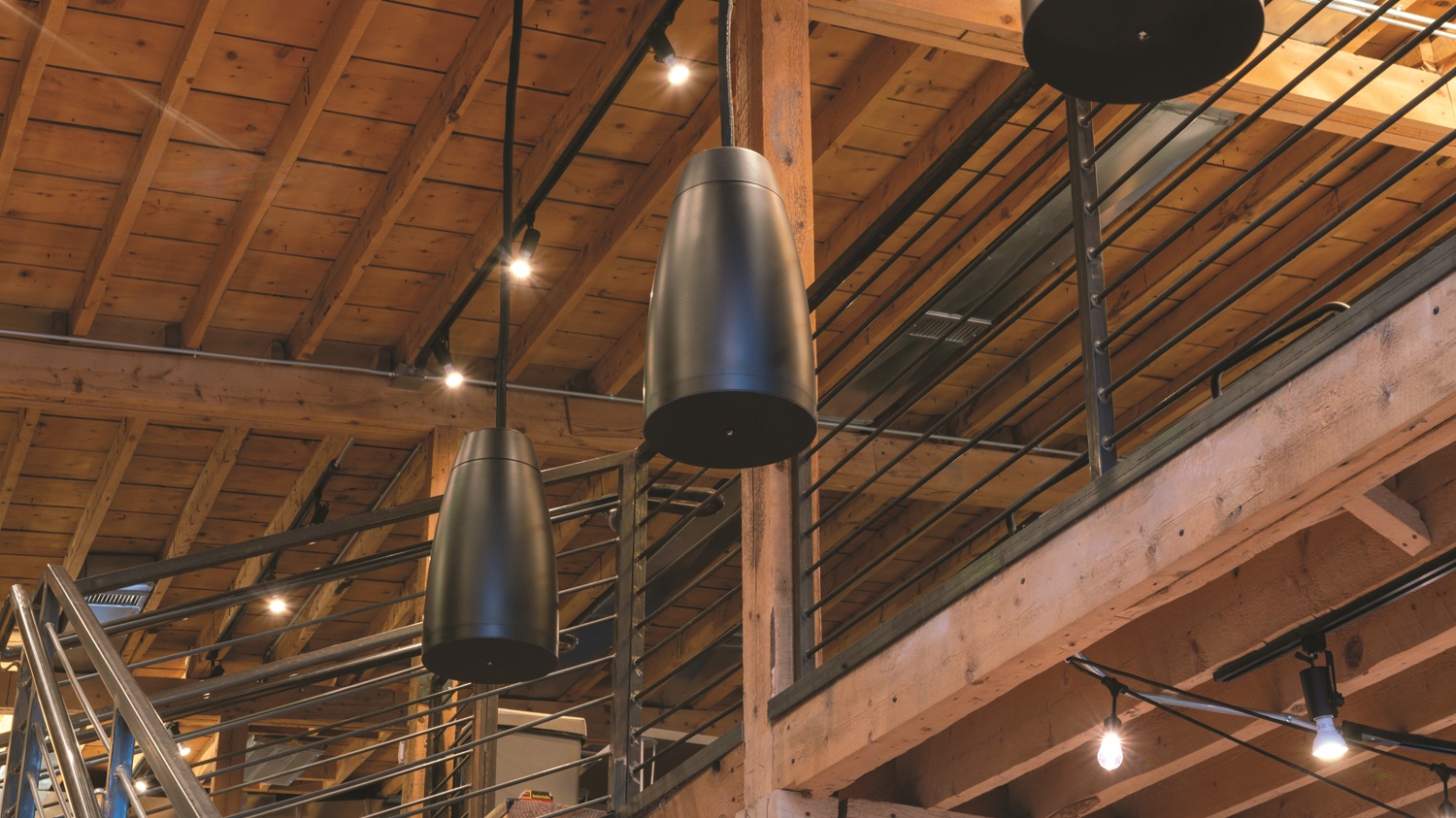
When architects and designers think about what makes a space truly exceptional, lighting is almost always part of the conversation from day one. It shapes atmosphere, influences behaviour, and is treated as a core design discipline.
Sound rarely receives the same consideration.
Yet how a space sounds has a profound impact on how people experience it. From offices and universities to hospitality venues and public buildings, poor acoustic and audio design affects concentration, communication, wellbeing, and even people’s perception of quality. The difference between a space that feels premium and one that merely looks it is often something you can’t see at all.
The Hidden Cost of Getting Audio Wrong
When audio is poorly implemented, the consequences go well beyond “bad sound.”
In workplaces, poor acoustics are consistently linked to reduced concentration, higher stress levels, and difficulties with communication – particularly in open-plan environments where background noise compounds. Research from the British Council for Offices suggests acoustic comfort ranks among the factors most affecting employee satisfaction and productivity, yet it remains one of the most overlooked elements at the design stage.
In hospitality and luxury residential projects, the impact is felt differently but just as clearly. A restaurant with excessive reverberation feels chaotic regardless of how carefully the interiors have been curated. A premium apartment with audible noise transfer undermines the very sense of calm and exclusivity the project was designed to deliver.
In educational environments, the consequences are most stark. Studies have shown that in rooms with poor acoustic conditions, students can miss as many as one in four spoken words. That is the equivalent of reading a book with every fourth word removed. Understanding drops, concentration suffers, and, critically, those who are already disadvantaged, including students with hearing difficulties or those for whom English is an additional language, are affected most.
Poor audio is not a finishing problem. It is a design problem. And like most design problems, it is significantly harder and more expensive to resolve after the building is complete.
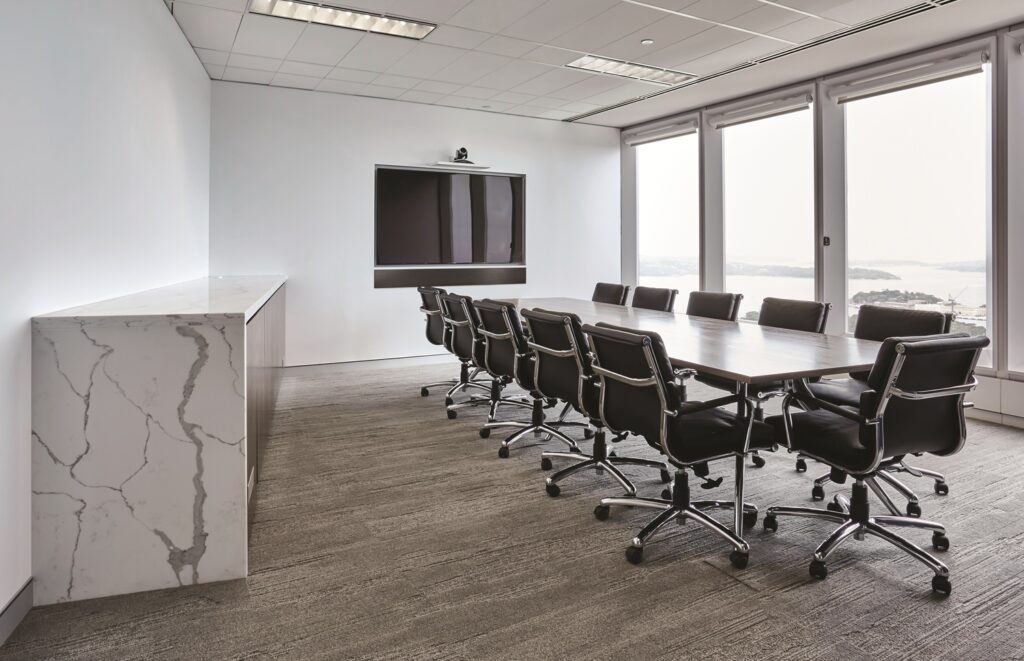

Why Audio Needs to Be Part of the Design Strategy
As buildings become more multifunctional and technology-dependent, the case for integrating audio and acoustic thinking early in the process has never been stronger.
Modern commercial audio solutions are a long way from the utilitarian ceiling speaker grids of the past. Flush-fitting and architecturally invisible loudspeakers, intelligent audio zoning, and digitally controlled distribution systems can now be fully integrated into a space without compromising its aesthetic. The constraint is not the technology – it is when that technology is introduced into the conversation.
When audio and AV are coordinated alongside lighting, materials, and spatial planning from the earliest project stages, the result is a space where performance and design reinforce each other rather than compete. Infrastructure is planned for. Speaker placement respects sightlines and ceiling design. Acoustic treatment is considered in material selection rather than added as an afterthought. The technology becomes part of the architecture.
When audio arrives late, as a specification handed to a contractor after finishes are fixed and ceilings are closed, the compromise is built in from the start.
The Growing Importance of Speech Intelligibility
Clear audio within buildings is no longer just a matter of user experience. It is increasingly a legal and regulatory consideration.
The Terrorism (Protection of Premises) Act 2025 – known as Martyn’s Law -received Royal Assent in April 2025 and introduces formal duties for publicly accessible venues to prepare for and respond to emergency situations. Effective emergency communication is central to this, and that communication depends on audio systems that deliver clear, intelligible speech across a building when it matters most.
In an emergency, an announcement that is difficult to understand due to excessive reverberation, inadequate speaker coverage, or poorly specified equipment is not just a technical failure. It is a safety failure. People cannot respond to instructions they cannot clearly hear.
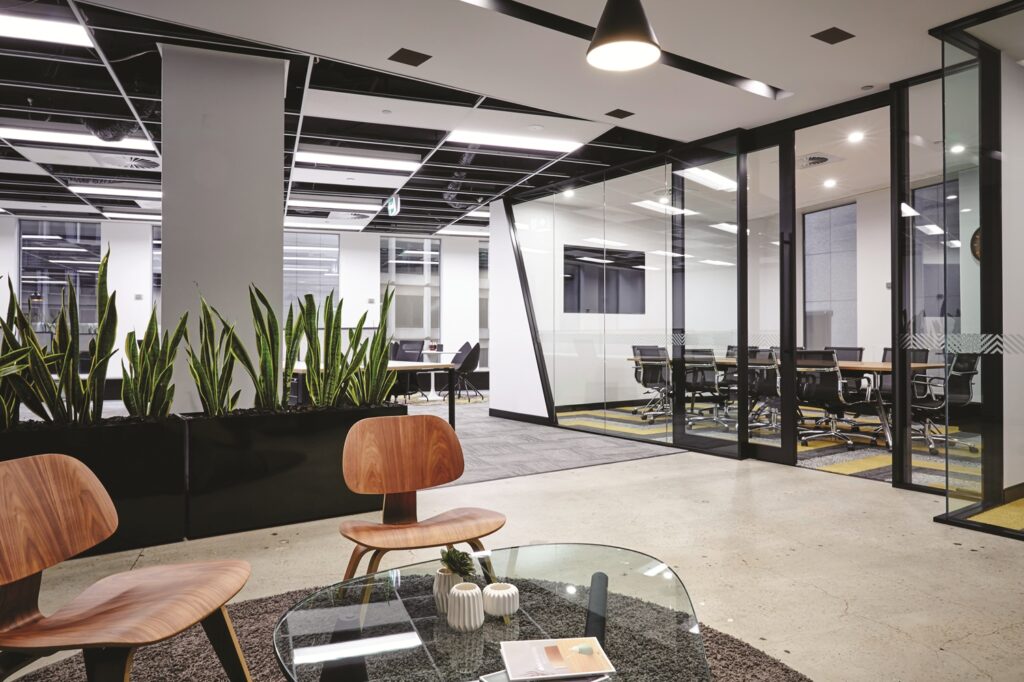
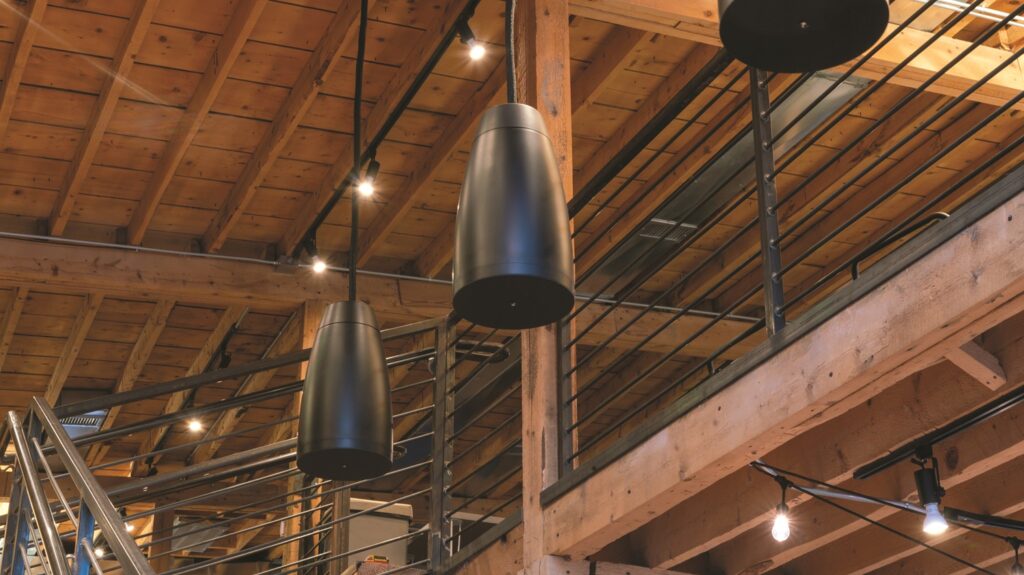
This makes speech intelligibility a design priority that extends across a wide range of commercial and public-facing environments – not just large venues, but offices, educational facilities, retail spaces, and anywhere the public gathers in meaningful numbers. The technical measure for this, STI (Speech Transmission Index), is increasingly referenced in standards and specifications, but it needs to be designed for, not tested for after the fact.
Designing Spaces That Sound as Good as They Look
The shift happening in the best commercial projects is a recognition that audio is not a technology category bolted on at the end. It is a design discipline that deserves the same early engagement as lighting, M&E, and structure.
That means involving acoustic and AV specialists during the concept and design development stages – not at tender. It means considering how sound moves through a space, not just how it looks. And it means treating the acoustic and audio performance of a building as a measure of quality, in the same way that visual and material quality are measured.
At Universal AV, we work alongside architects, consultants, and interior designers from the earliest stages of a project to ensure audio, acoustics, and AV technology are integrated thoughtfully, not fitted around decisions that have already been made.
Because great design should not only be seen.
It should be heard too.
To find out how we approach audio and acoustic design on commercial projects: explore our commercial audio solutions →
About the author
Shelley Townend is the Marketing Manager at Universal AV, where she has spent over 14 years developing the company’s brand, content, and communications strategy. With a front-row seat to more than a decade of change in the AV and workplace technology industry, she writes about the trends, challenges, and ideas shaping how organisations design and use their spaces.
Start your project today
To discuss your audio visual needs for your next project contact us. We will work with you to devise a solution to meet your requirements and needs.
Call 01274 200280
Email sales@uniav.com
Send us a message
"*" indicates required fields